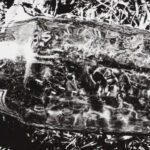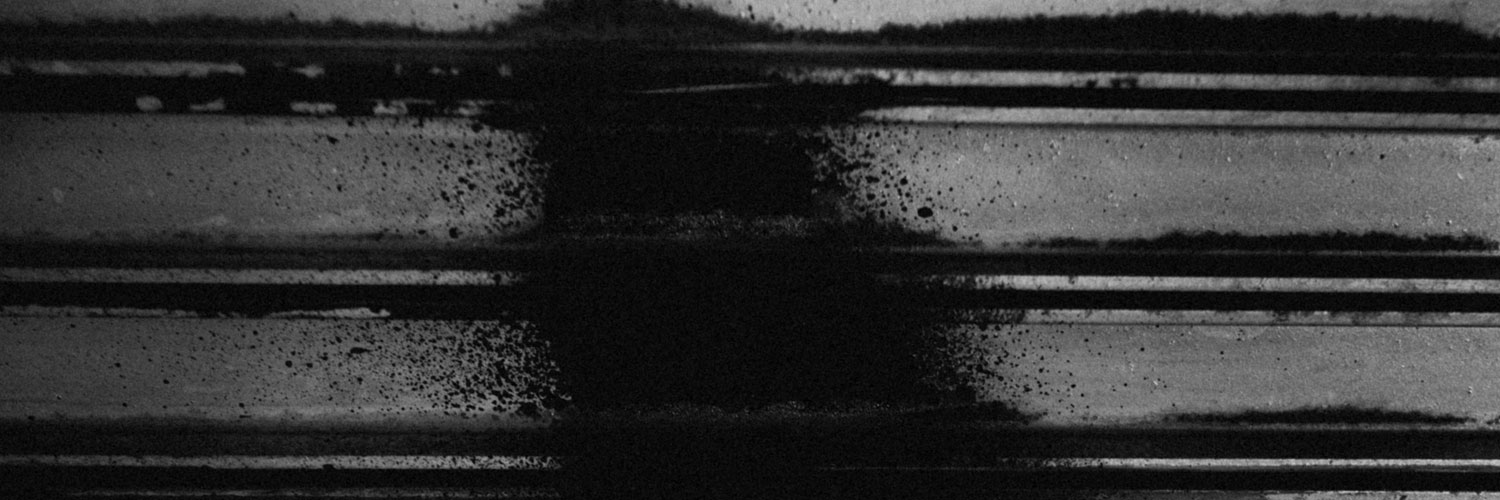
Il n’y a pas de regard objectif en photographie. L’image n’est jamais qu’un fragment du réel, un point de vue tronqué, momentané et incomplet. L’image est subjective et sa vérité toujours multiple, comme celle de l’observateur, ou insondable, comme celle de l’artiste.
S’il existe une «vérité photographique», elle se trouve dans ses éléments fondamentaux: la lumière, la composition, et le dispositif optique.
J’ai donc tenté, en m’inspirant de la forme épurée du haïku et de l’honnêteté mécanique des rayogrammes de Man Ray, d’imaginer une esthétique qui ne proviendrait que de la forme photographique en elle‑même.
Le prévisible et l’invisible
Notre sens de la vision est un processus puissant, sophistiqué, et rapide au point de nous paraitre instantané. Il se déroule néanmoins en plusieurs étapes: le cortex visuel décode tout d’abord les formes, les textures et les couleurs, puis il évalue la profondeur et le mouvement. L’image ainsi obtenue est ensuite comparée à celles gardées en mémoire afin d’en identifier le contenu¹.
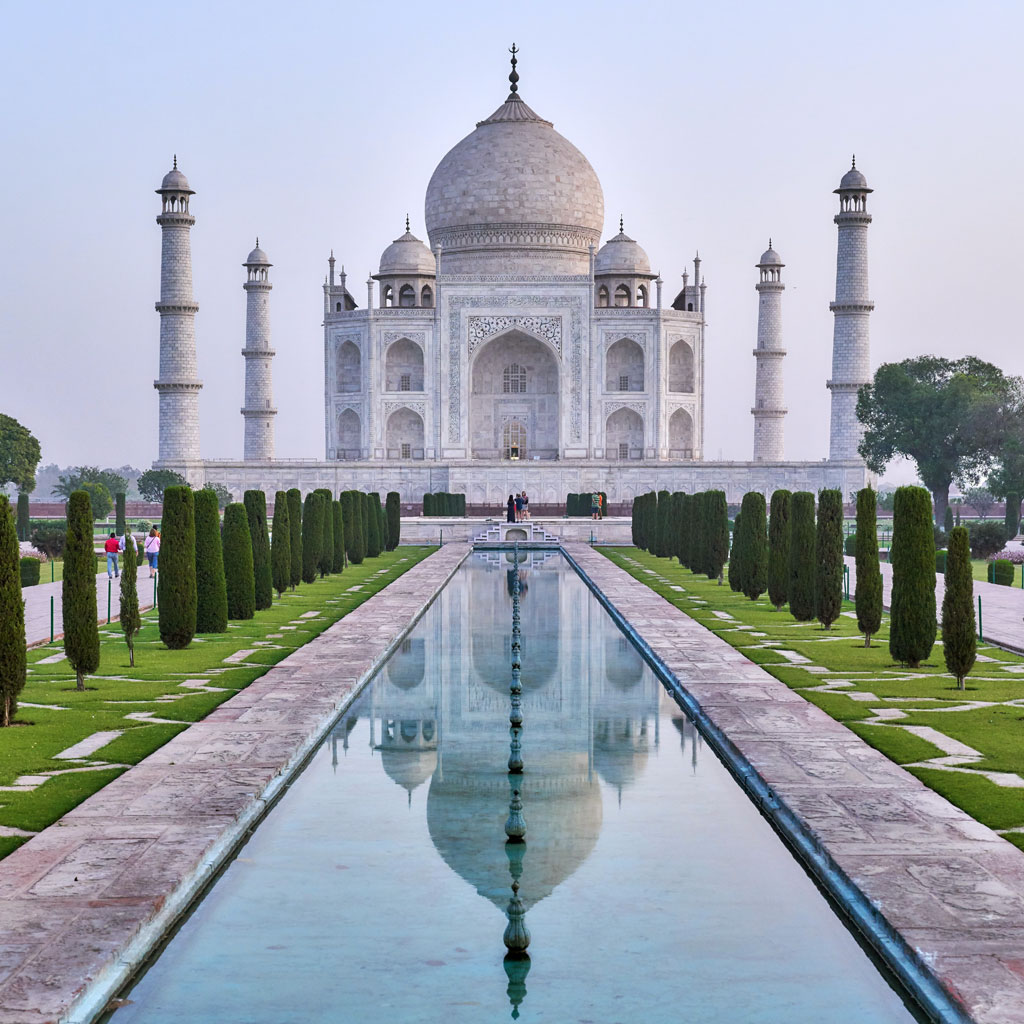
Imaginons un instant une photographie du Taj Mahal: cette image facilement reconnue sera rapidement écartée, puisqu’elle ne fait que confirmer la vraisemblance de notre mémoire existante. C’est un cliché, une image si prévisible qu’elle en devient presque invisible.
À l’opposé, une image difficilement identifiable forcera le cortex visuel à y replonger afin d’en extraire de nouvelles associations. Le cortex se concentrera alors sur les relations spatiales entre les différents éléments de l’image, tels que les traits, les surfaces et les couleurs. Cette deuxième lecture, libérée de son rôle utilitaire, permet une interprétation ouverte et immédiate de l’image.
Échapper au langage
C’est dans ce bref intervalle que je situe les photographies d’Haïku d’amérique et d’Une marche avec Daidō: elles relèvent de la perception brute bien davantage que de la description réaliste.
Mon intention ici, en dépit du «réalisme» inhérent à la photographie, est de créer des images autonomes, des images qui existent de par elles‑mêmes avant d’être la représentation de quelque chose d’autre.
On ne pourrait, pour ce faire, avoir recours à des techniques telles que le montage ou l’illustration sans fausser la nature de la photographie. Je tente plutôt de déplacer le regard en le faisant passer d’un champ prévisible, balisé d’automatismes, à un espace intuitif qui fait appel à l’interprétation du lecteur.
Si l’image photographique échappe au langage, c’est qu’elle existe au premier degré de la perception, en deçà des codes². Sa force réside dans sa capacité à transmettre une expérience sensorielle non formatée, similaire à notre perception organique du monde. ◼︎
- Eline Feenstra, How does our brain create a coherent image when we look at different objects?, Netherlands institute for neuroscience, avril 2023 [lire l’article]
- Roland Barthes, Rhétorique de l’image, in Communications no 4, 1964 [lire l’article]