Of course, the photographic image cannot, as painting does, aspire to pure abstraction. This is due to its very definition: it is a mechanism that allows the fixing of the image of a real object¹. An optical device, such as a lens or a pinhole, captures ambient light and projects it onto a photosensitive surface. This surface — whether it is a film negative or a digital sensor — reacts to varying degrees depending on the intensity of the received light; in this way, it can record the image momentarily projected by the lens.
Abstract painters did not seek to deny reality, but rather to advance painting by freeing it from the formal constraints of realism. They developed a vocabulary proper to the medium by reducing it to its essential elements: matter, form, and color. Painting no longer owed anything to the rest of the world: it had value in and of itself. This way of thinking underlies all modern art of the twentieth century.
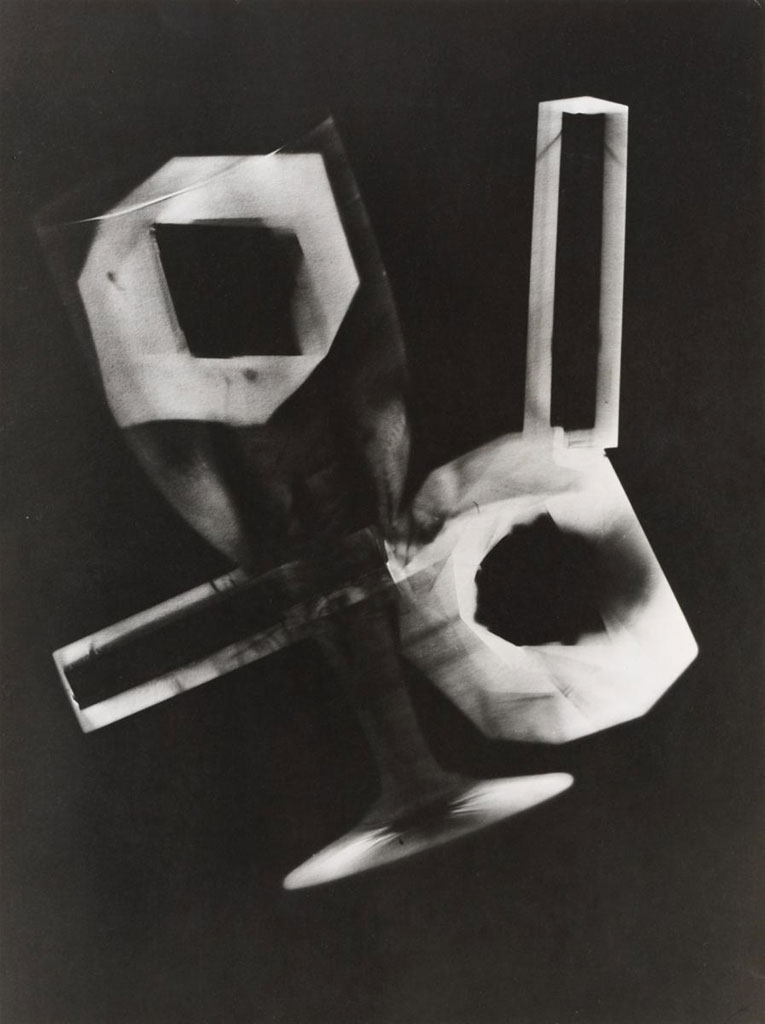
But isn’t photography, as we have seen, condemned to merely represent reality in a flat, literal way? One might think so, but that would be to overlook the innovative vision of certain photographers. Indeed, when it carries a vision strong enough, the photographic image can outwit reality and transform it to the point of making it unrecognizable. Here, since the photographed object is not immediately identifiable, it is light, texture, and composition that become the true subject of the photograph. It is no longer the image of a distant elsewhere, but a concrete object that can be felt in the present moment, without distance.
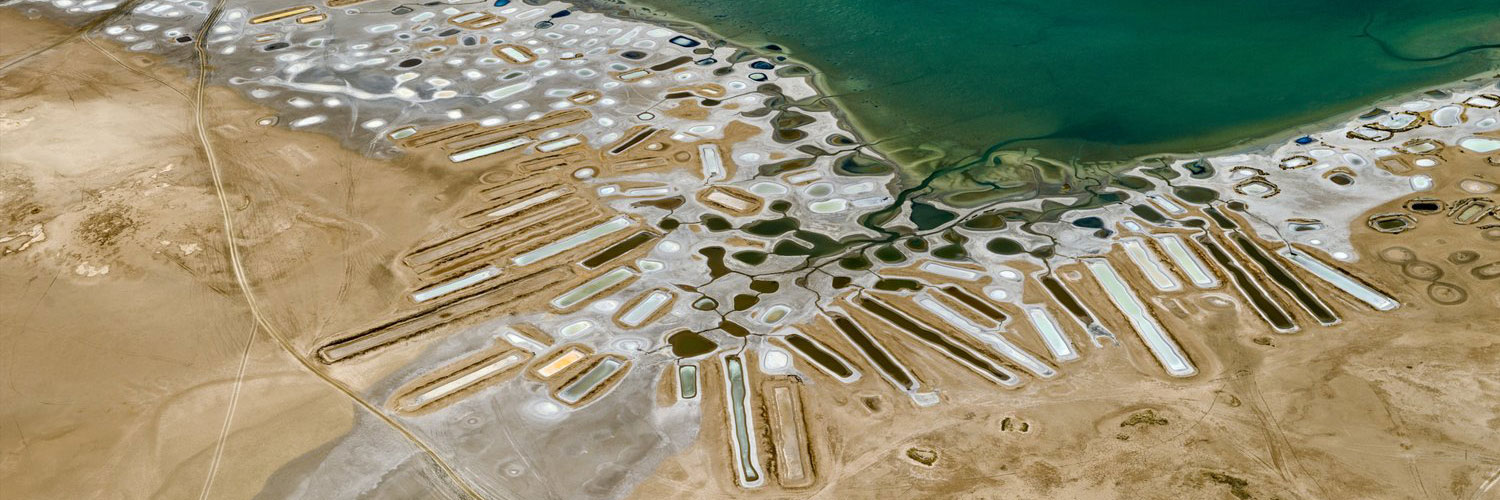
Edward Burtynsky’s vast aerial landscapes have brilliantly achieved this feat. Although these photographs clearly belong to the naturalist tradition of Ansel Adams, it is not their realism that fascinates at first glance, but rather their strong aesthetic qualities. They use very wide framings — often encompassing more than a kilometer — in which our usual points of reference dissolve, giving way to a singular impression of never-before-seen.
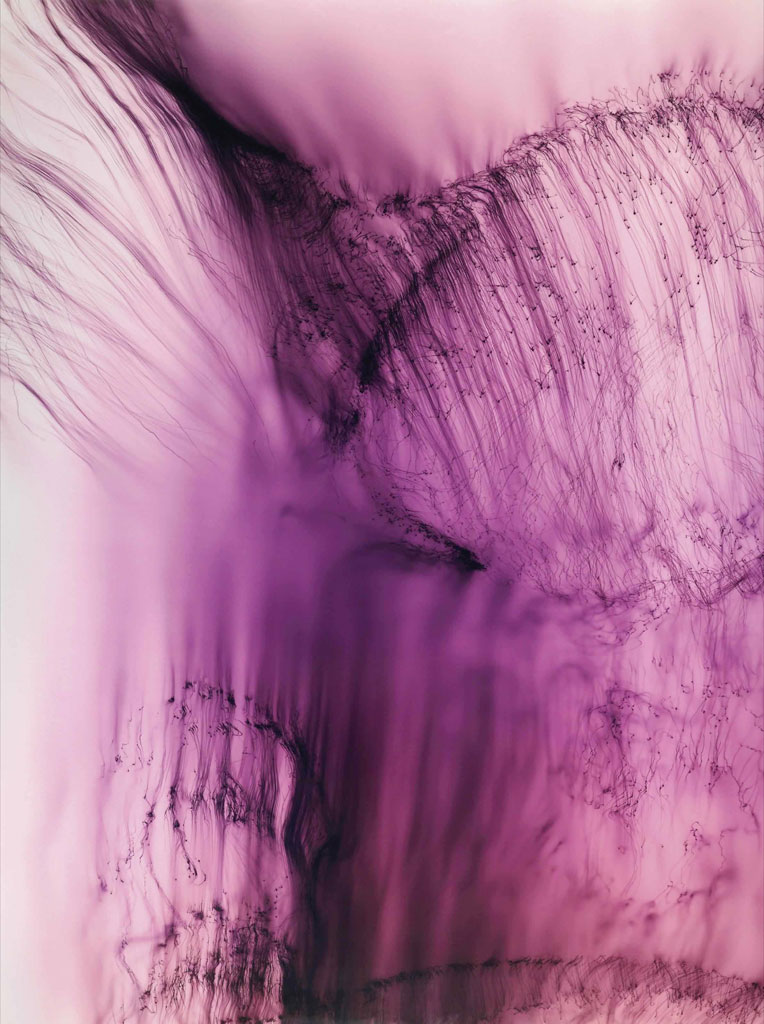
Let us also mention, in its own category, Wolfgang Tillmans’ Freischwimmer series. The artist developed a unique technique — without a camera or optical device — that allows him to “paint” directly with light. Tillmans has always rejected the obviousness of representation; here, he frees himself from it completely.
The photographic image, although never truly abstract, can most certainly go beyond simple depiction and, like every other art form, serve to evoke rather than to describe. ◼︎
- Photography without an optical device (light painting) being the exception.