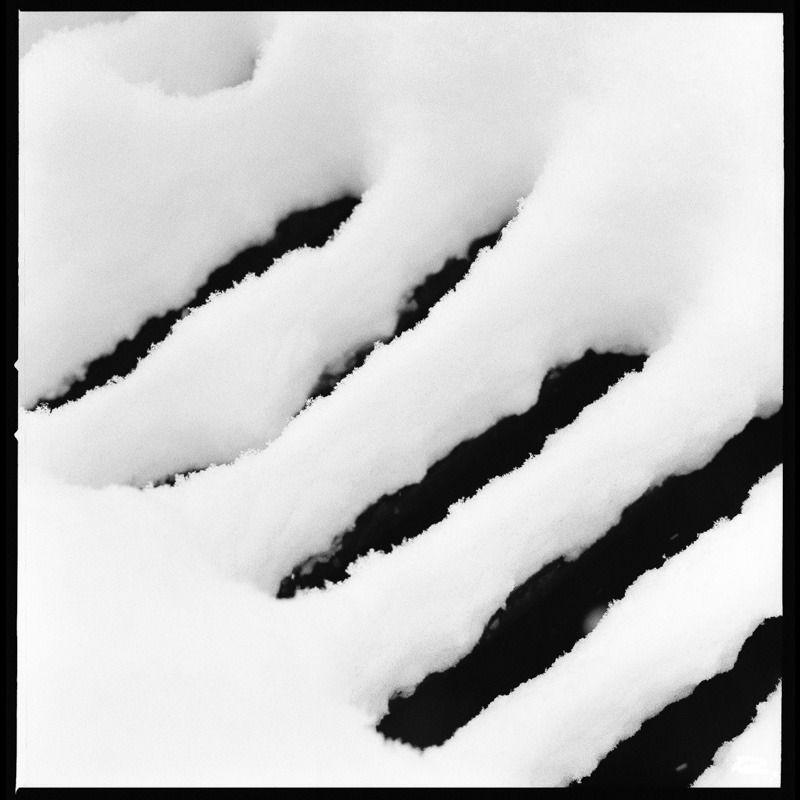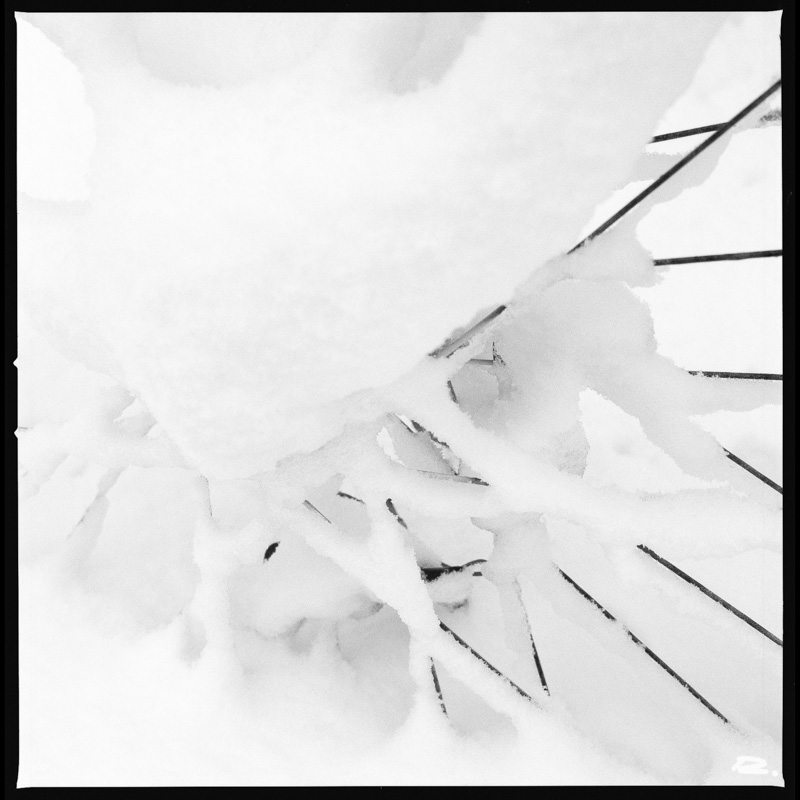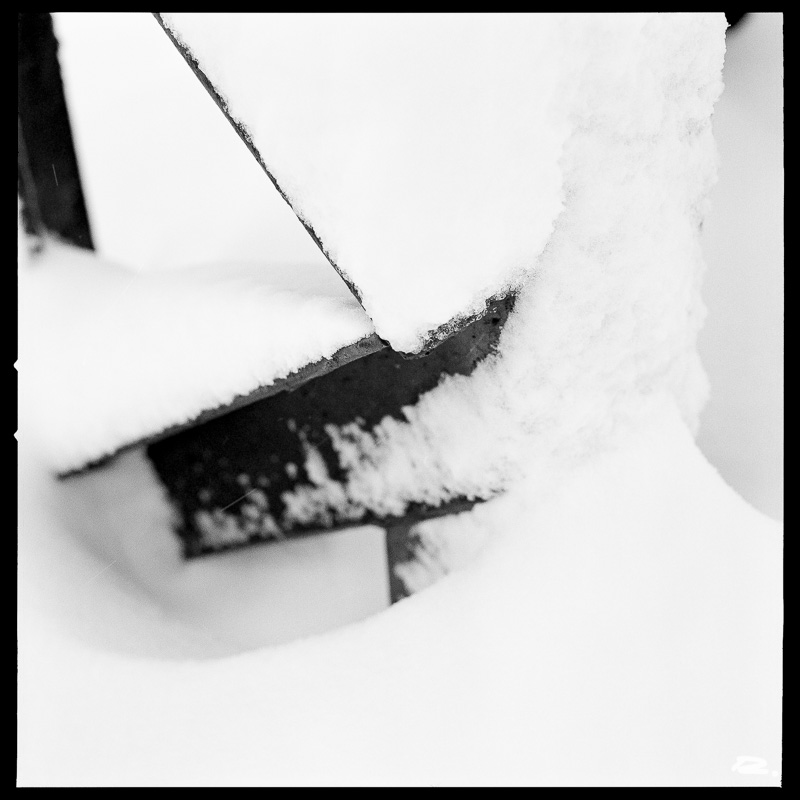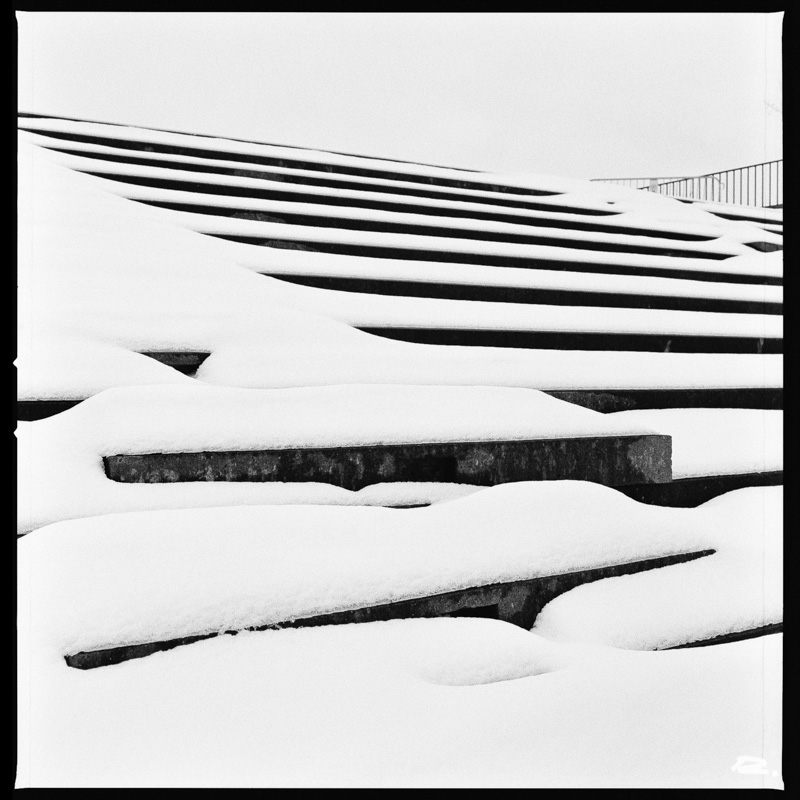
Form precedes meaning

Form precedes meaning

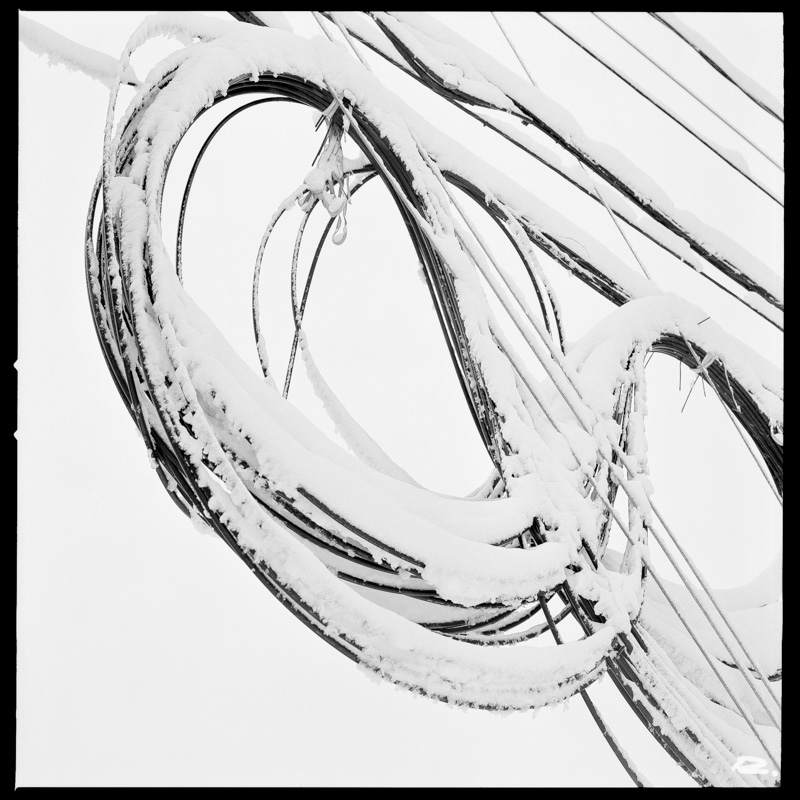
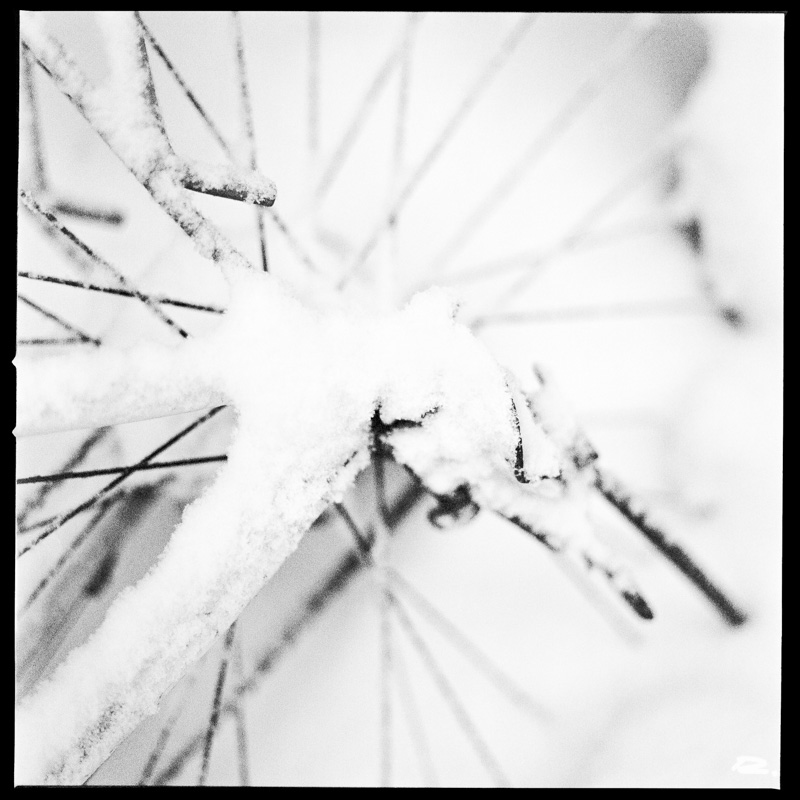
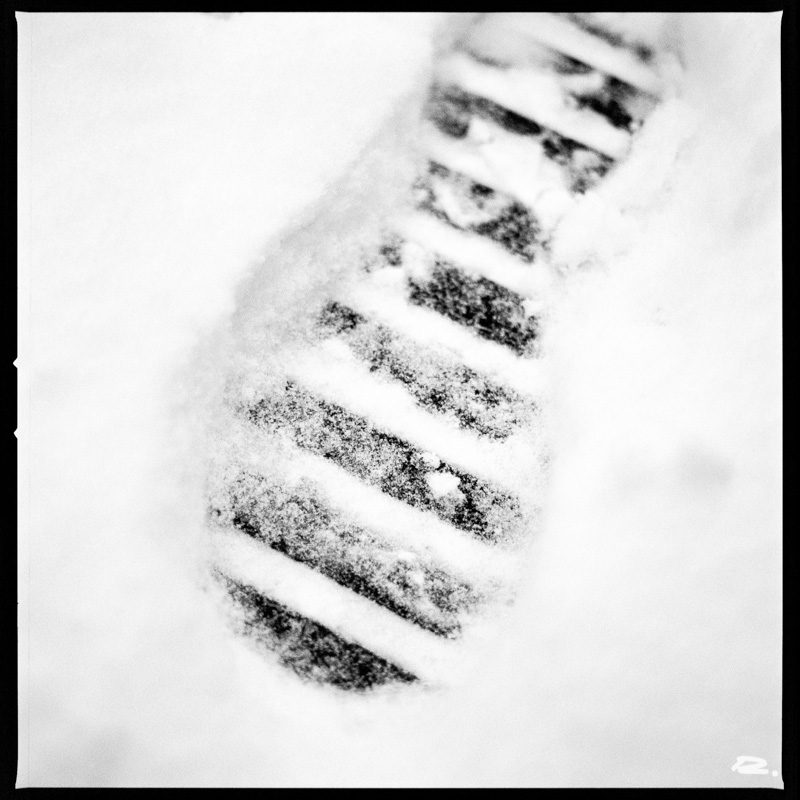
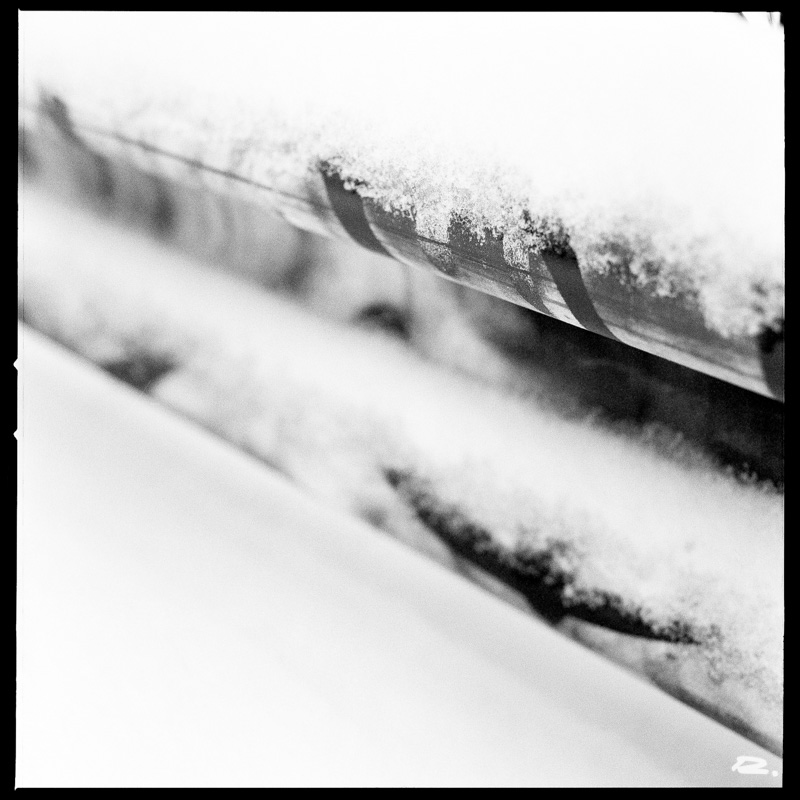
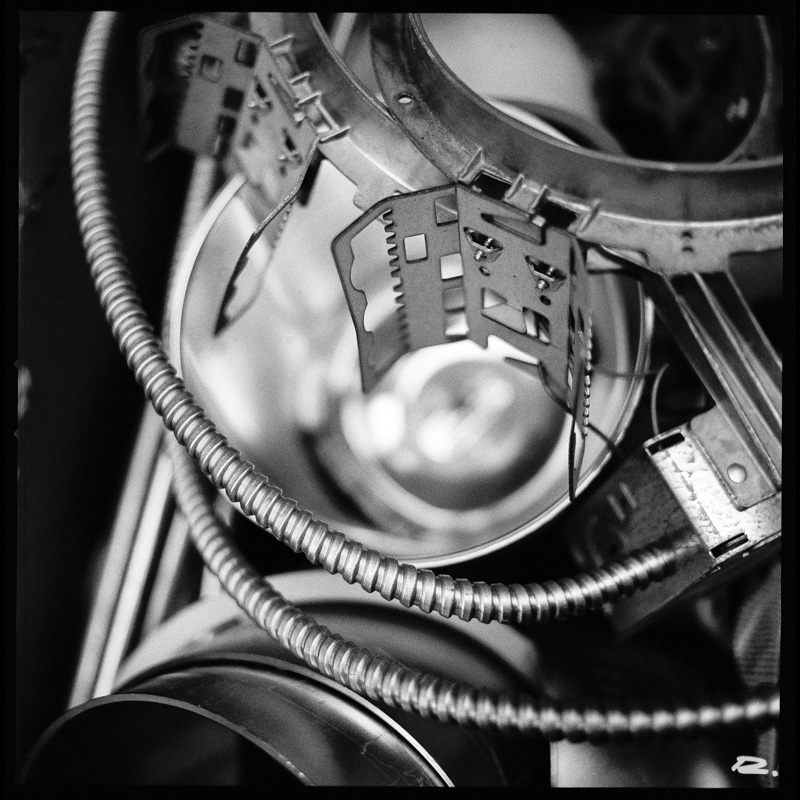
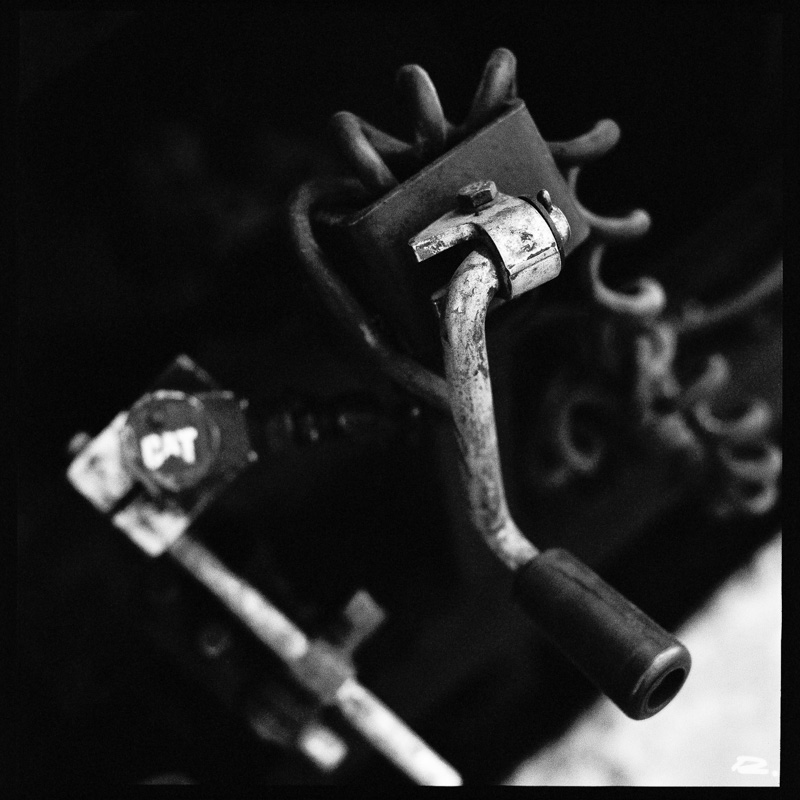
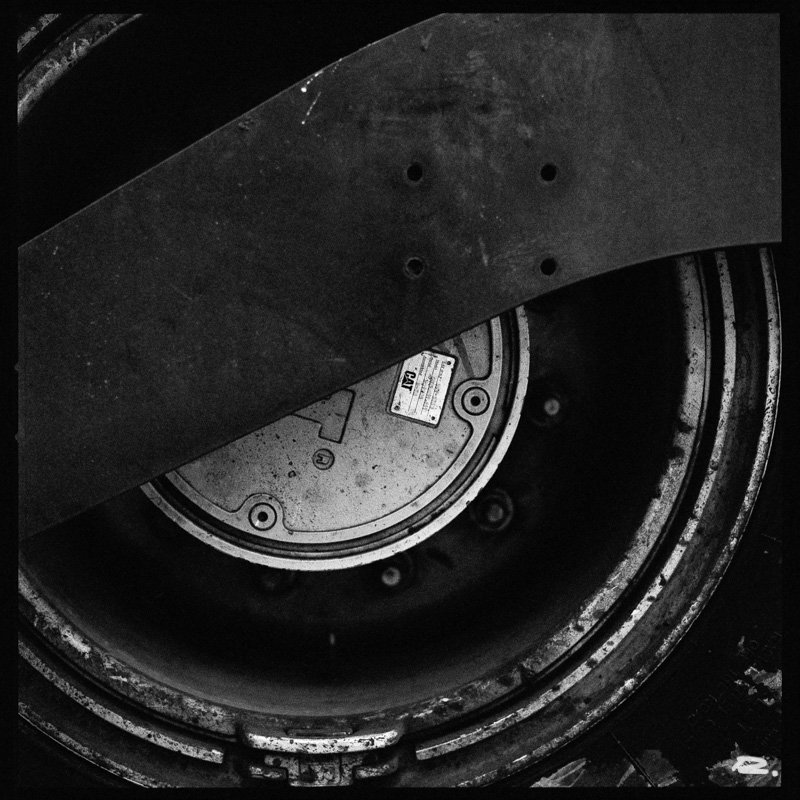
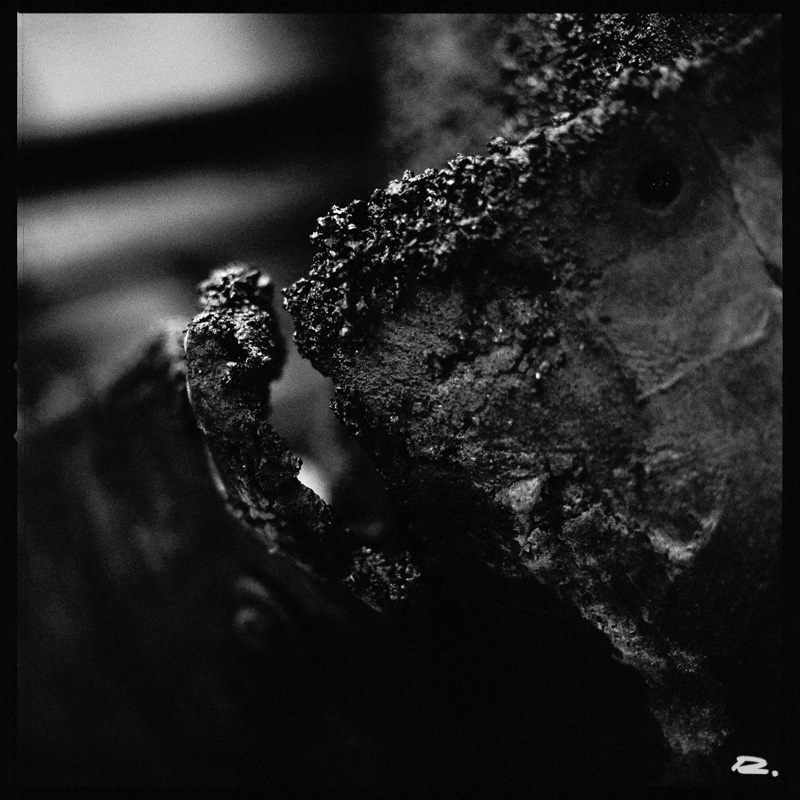
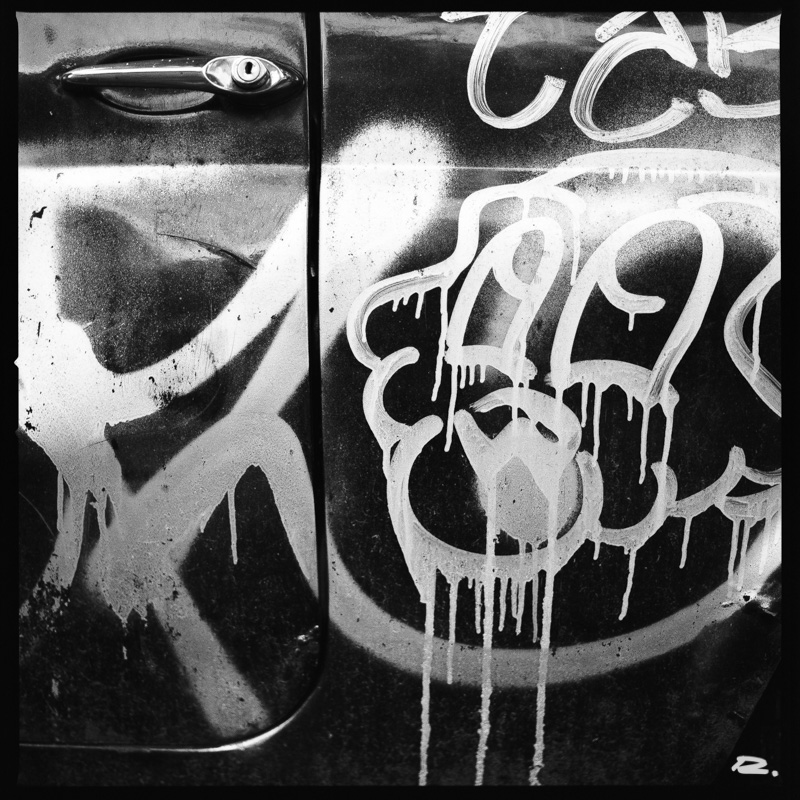
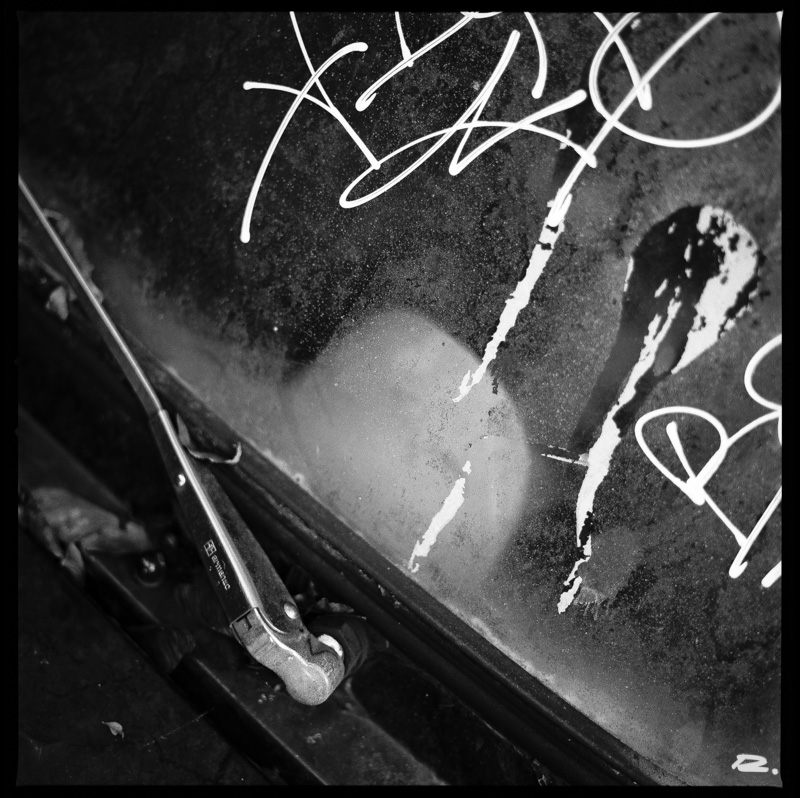
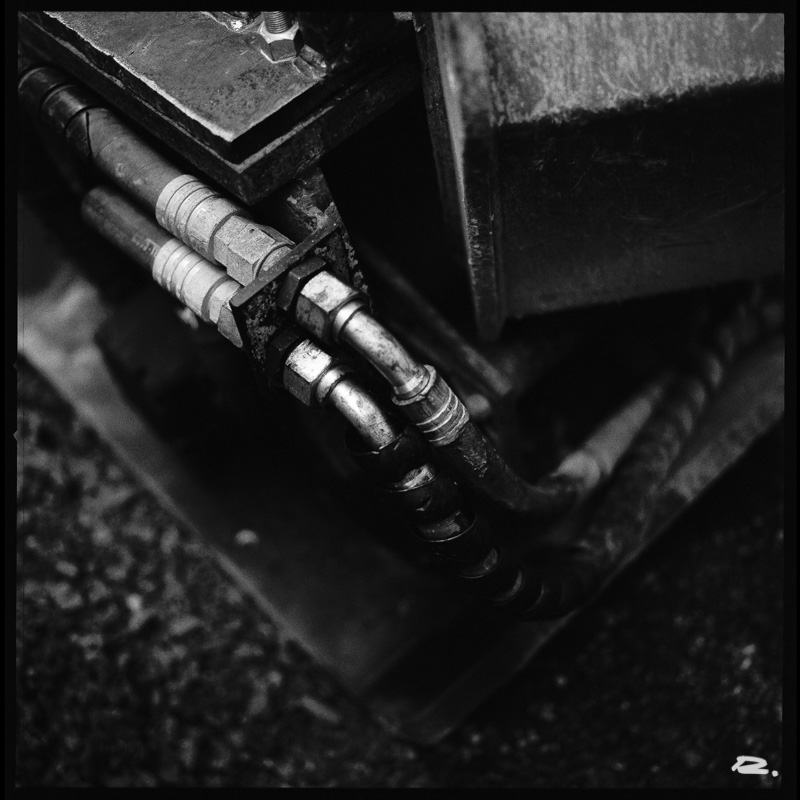
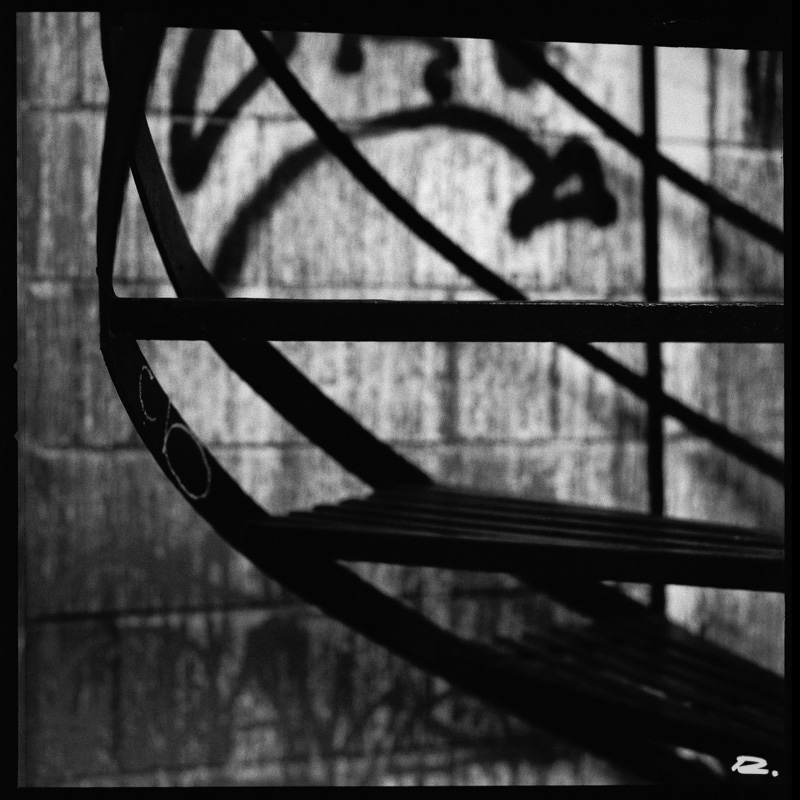
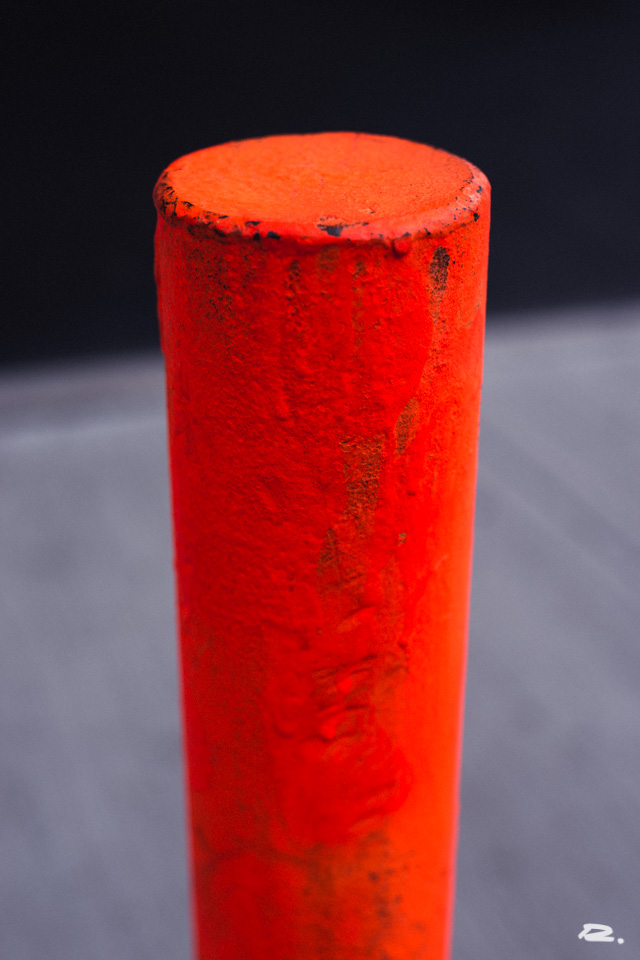
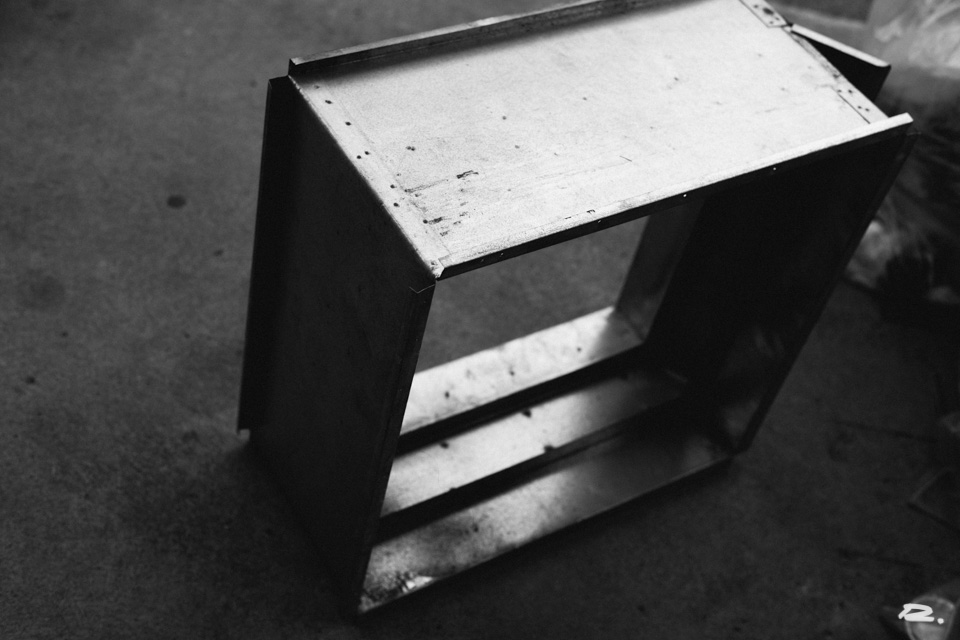
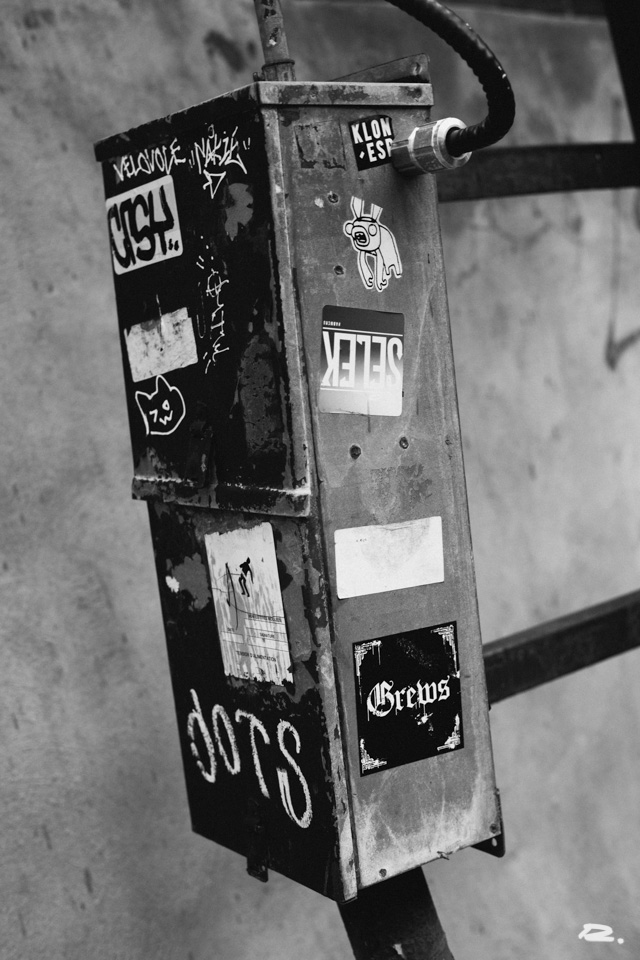
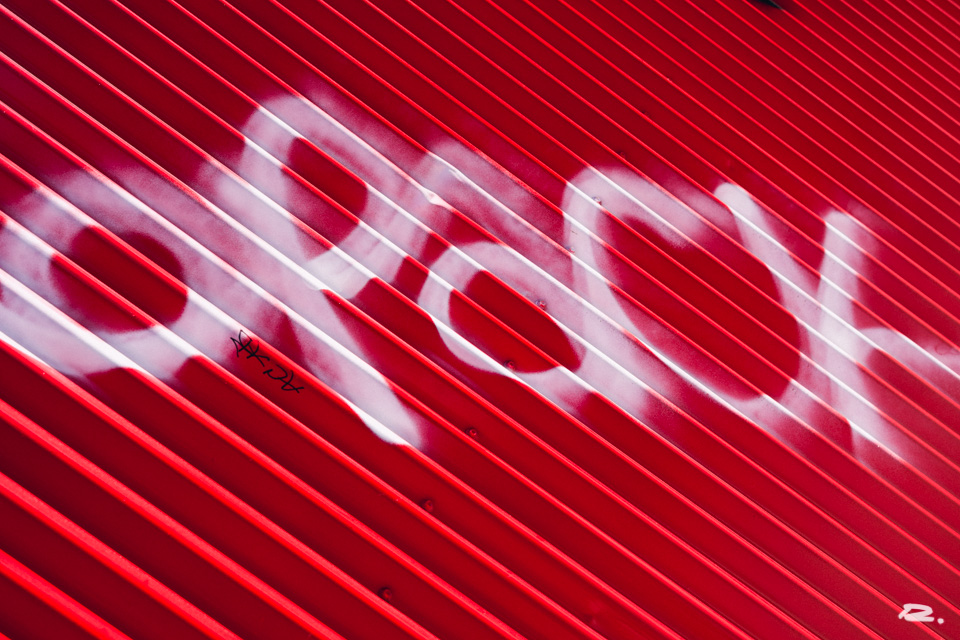
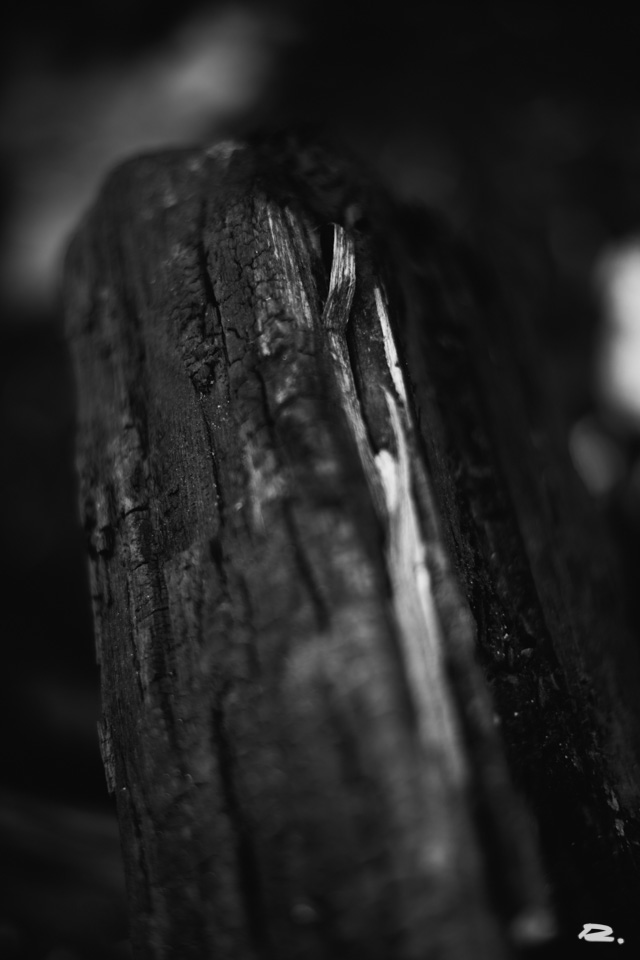
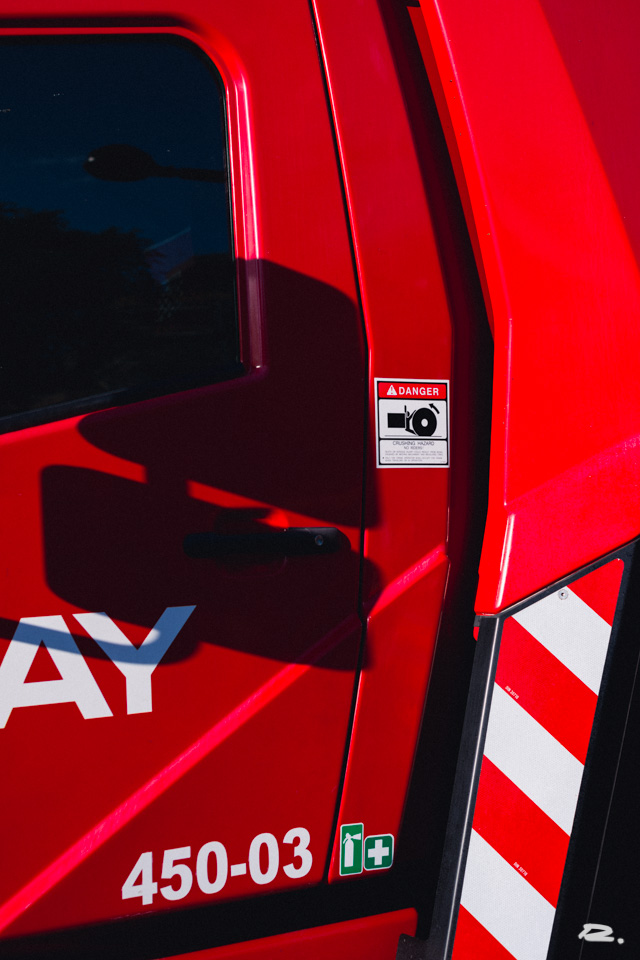
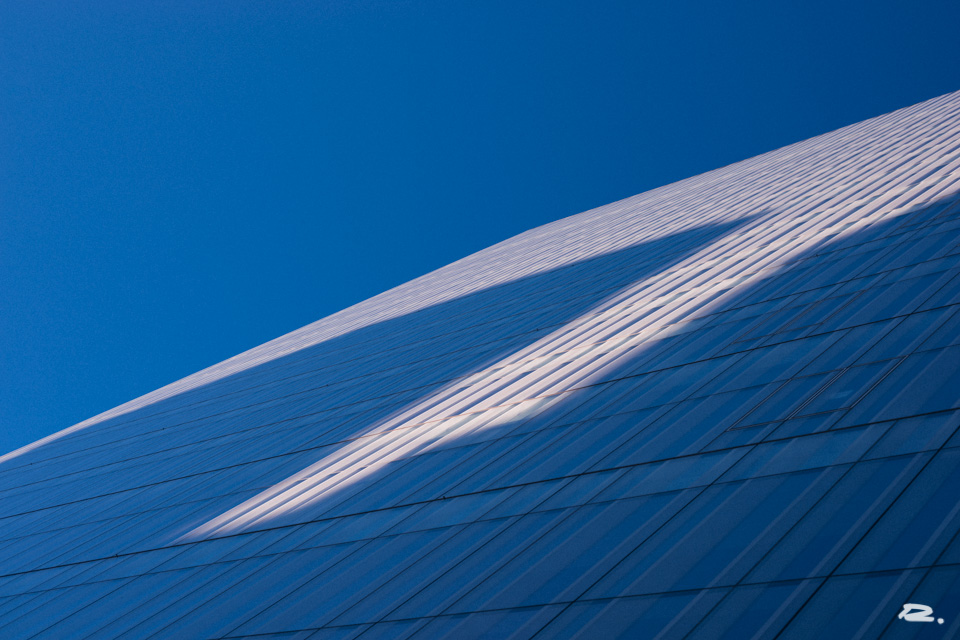
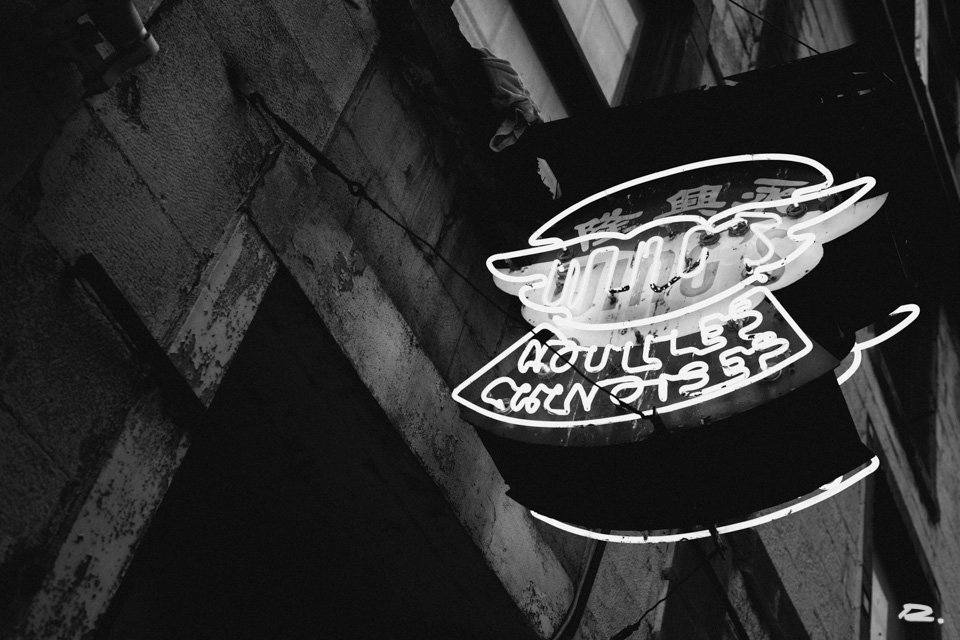
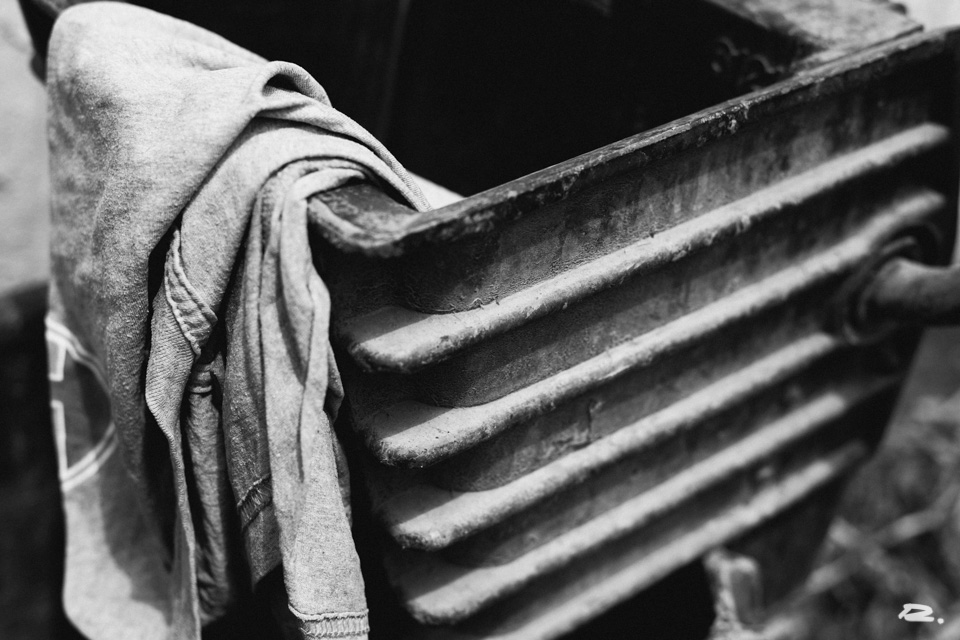
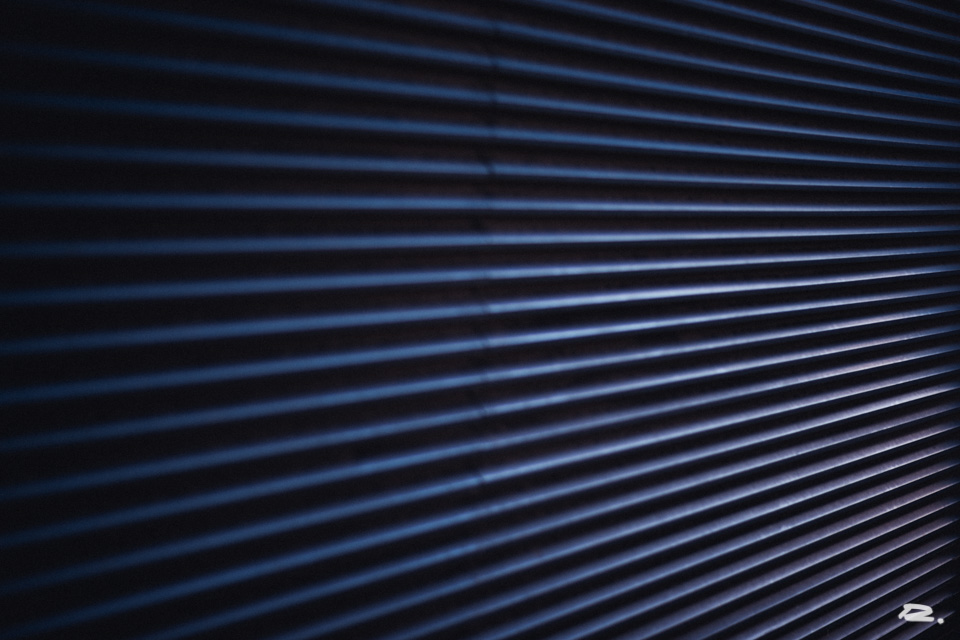
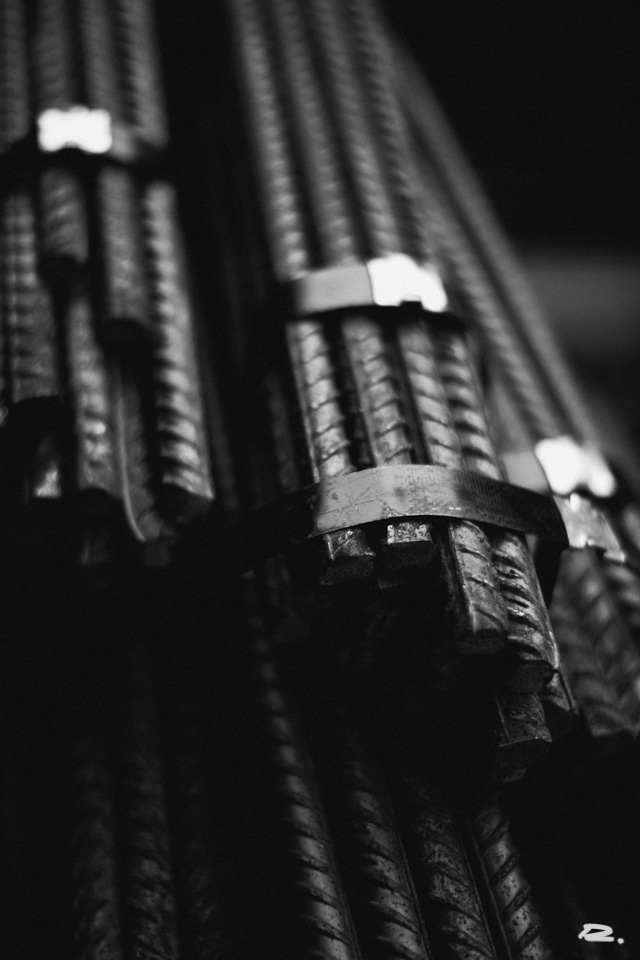
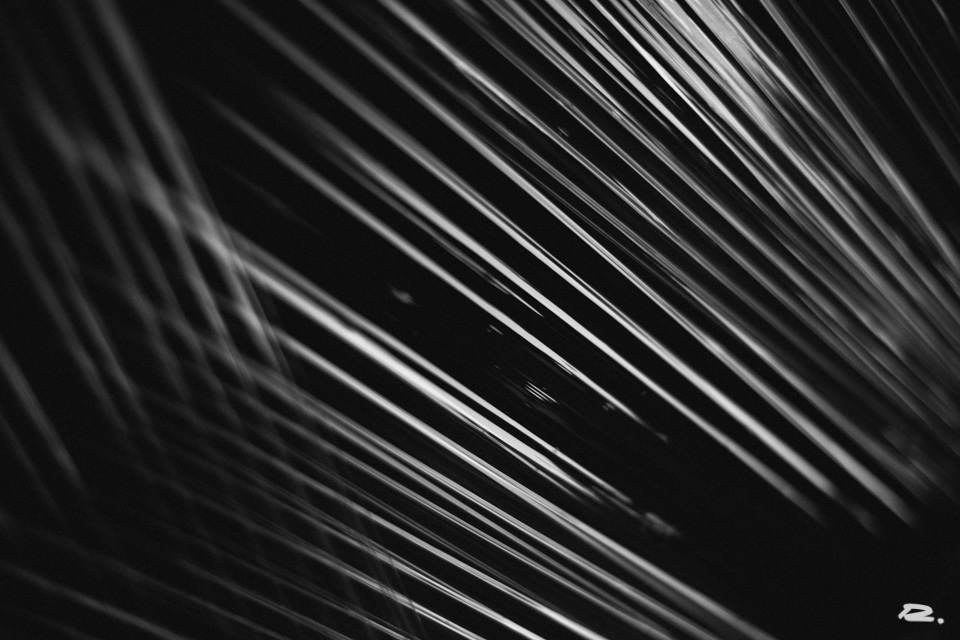
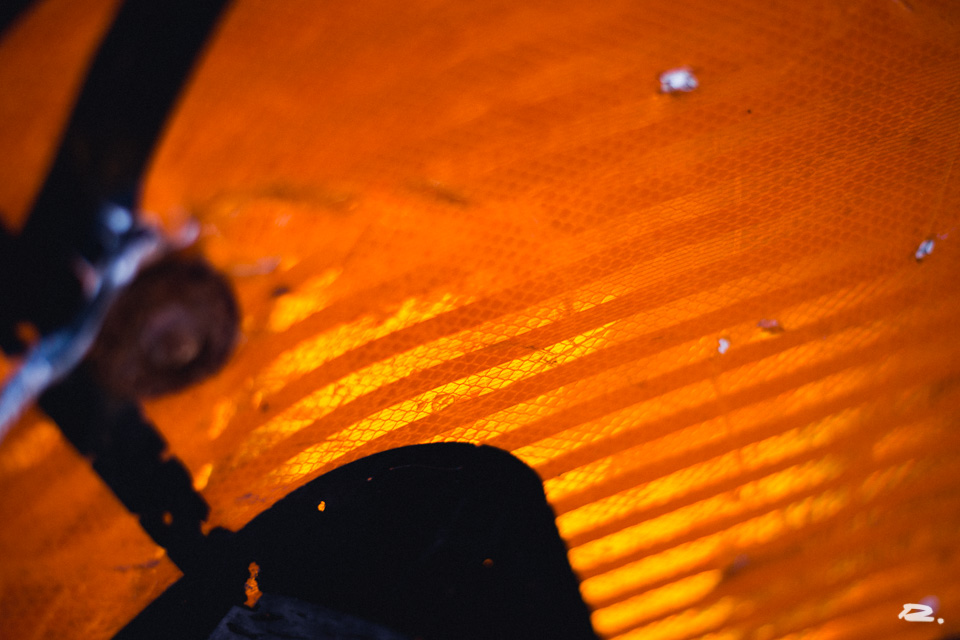
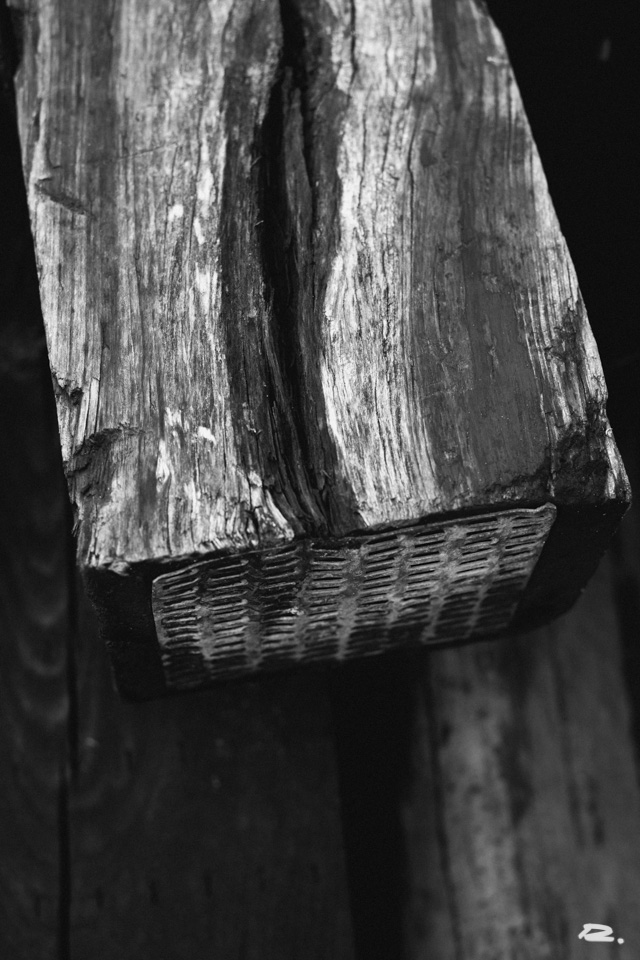
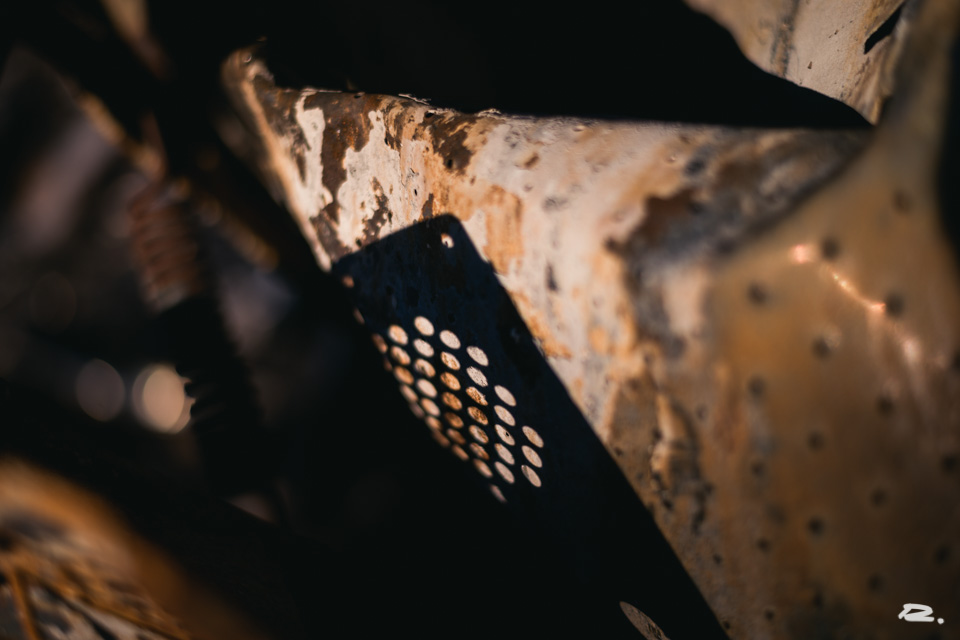
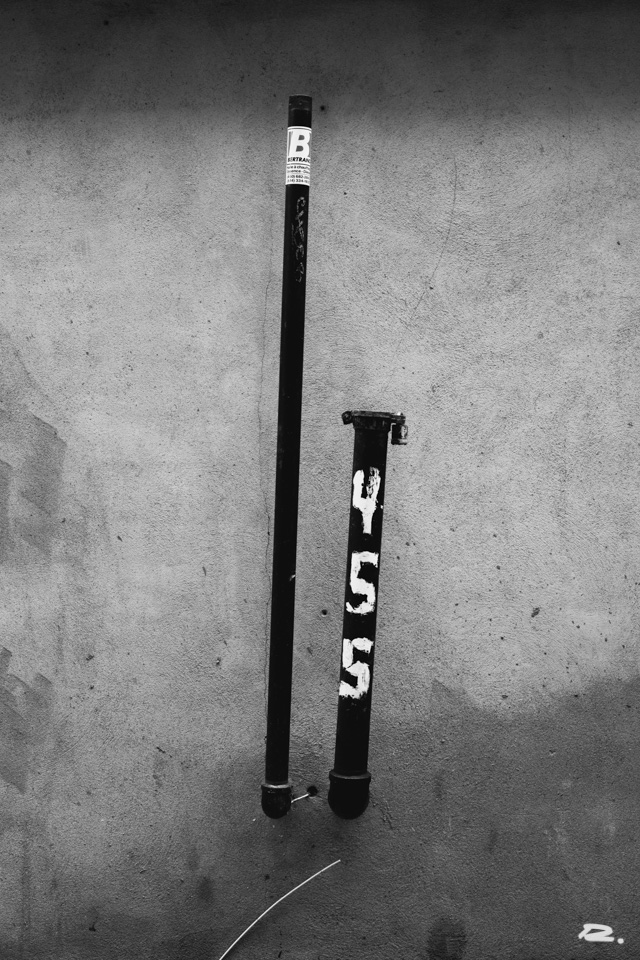
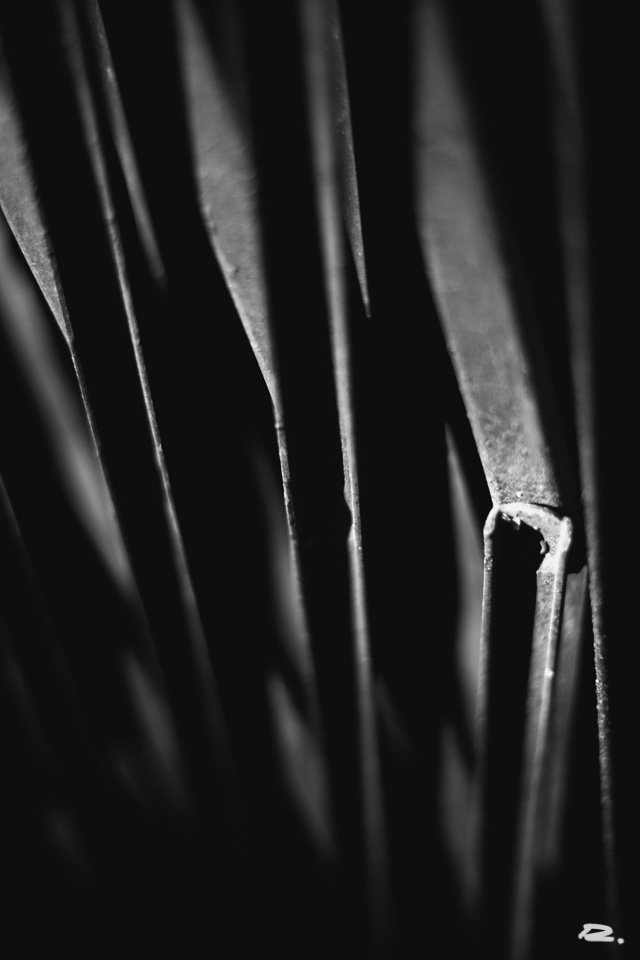
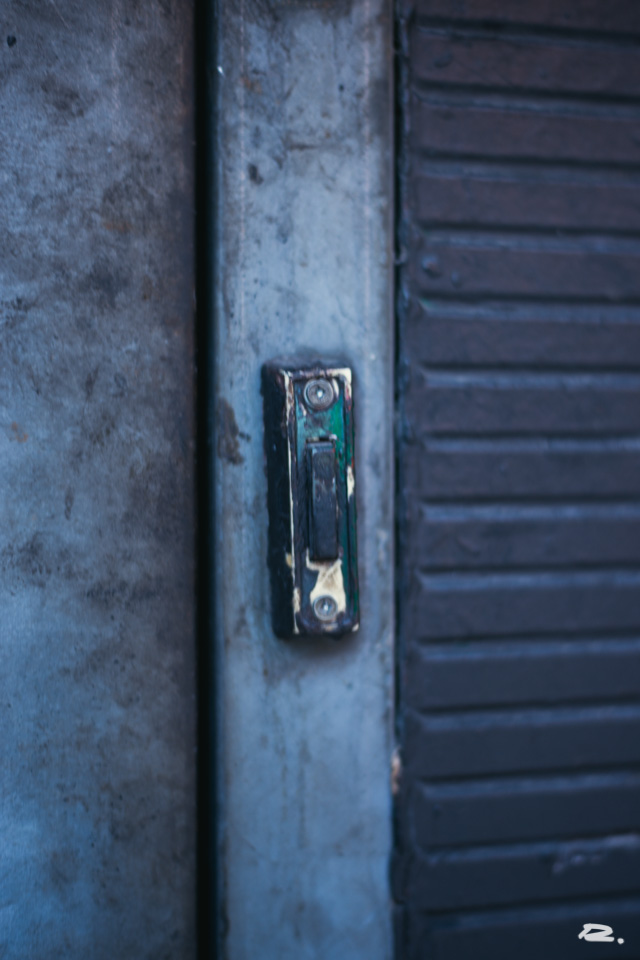
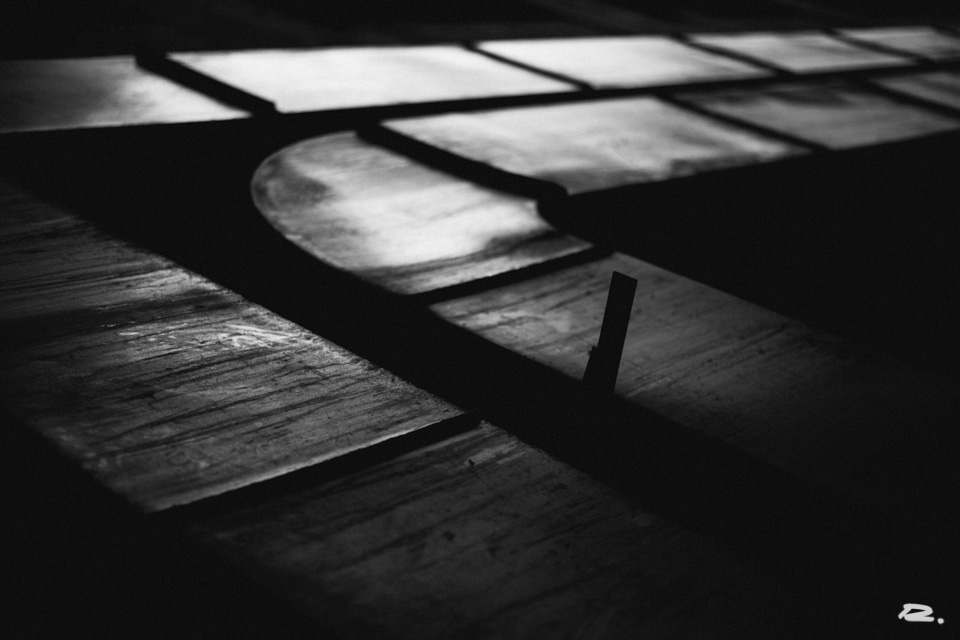
There is no objective truth in photography. The image is never more than a fragment of reality, a truncated, momentary, and incomplete point of view. The image is subjective, and its truth is always multiple, like that of the observer, or unfathomable, like that of the artist.

If there is such a thing as a “photographic truth”, it is to be found in its fundamental elements: light, composition, and optical device.

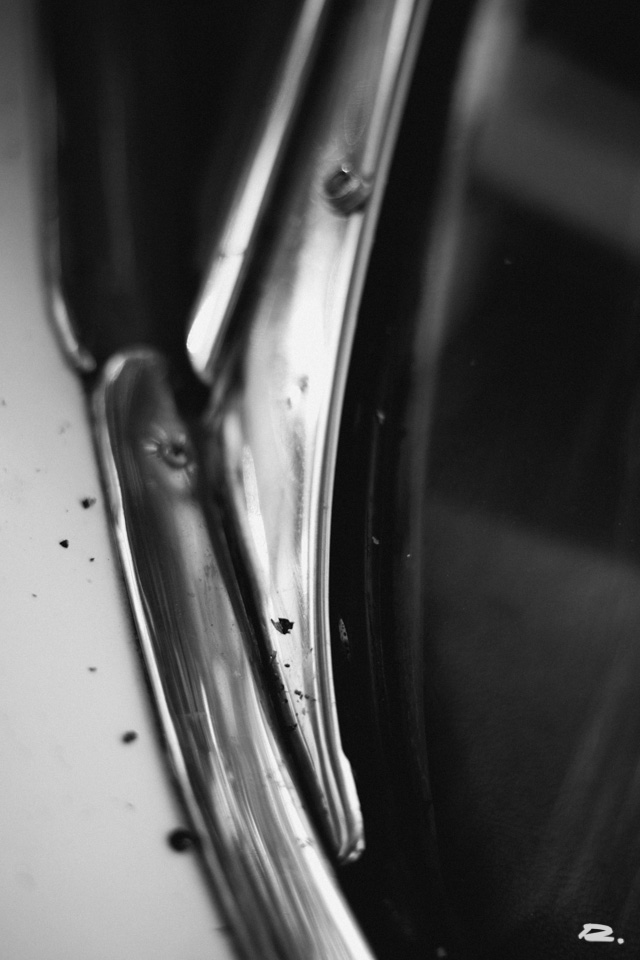
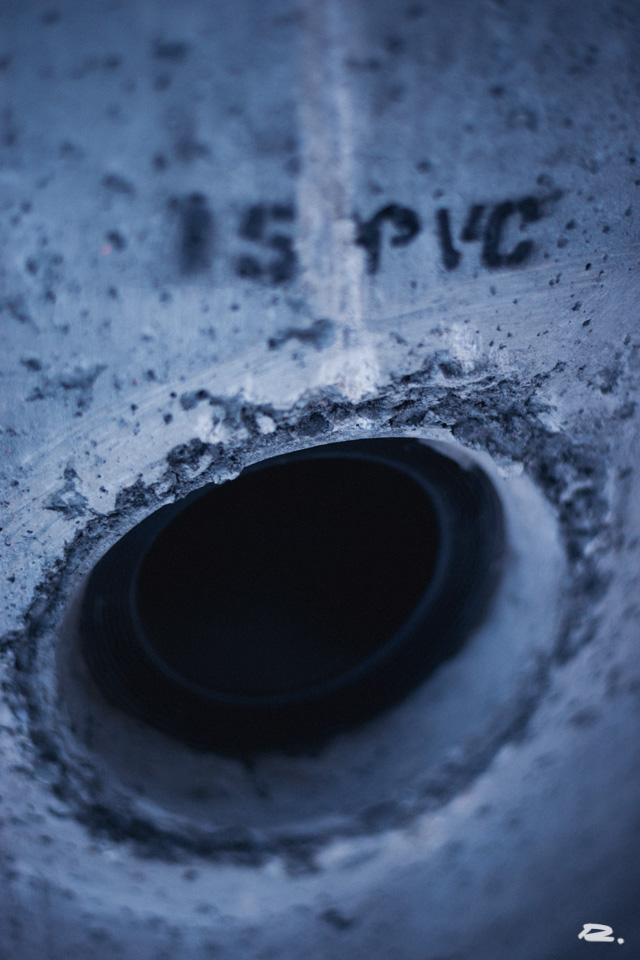
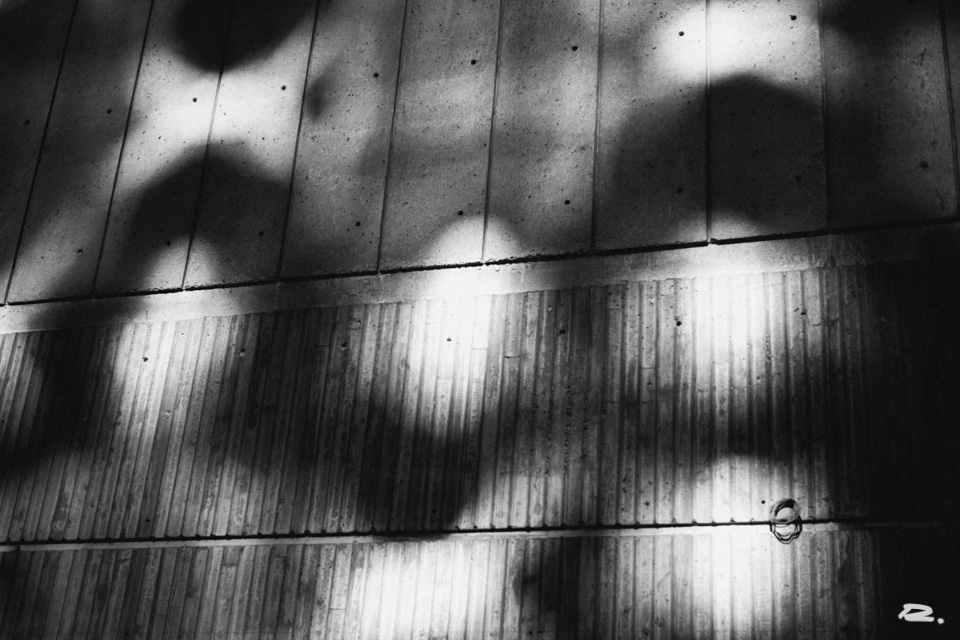
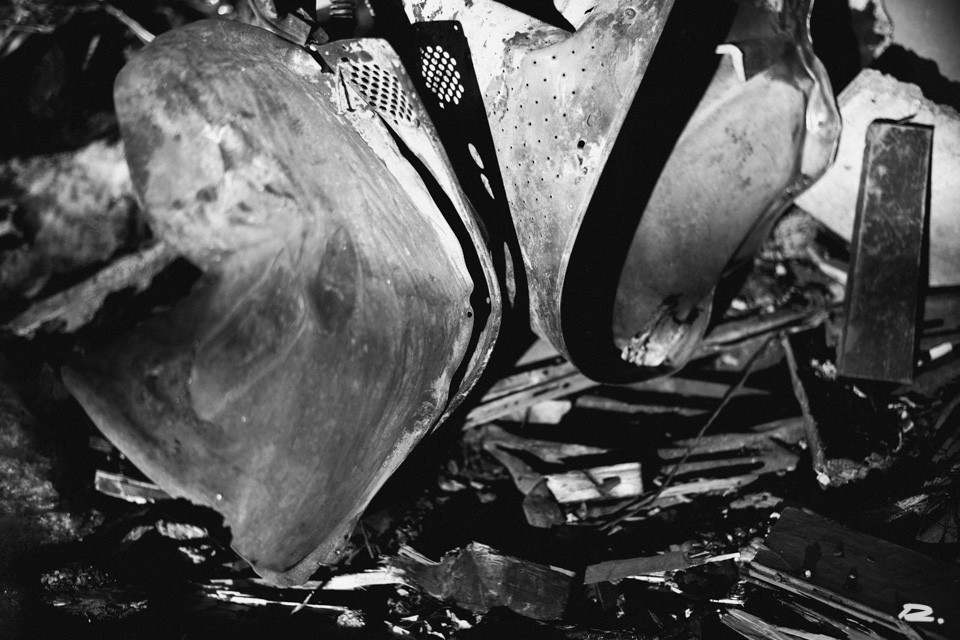
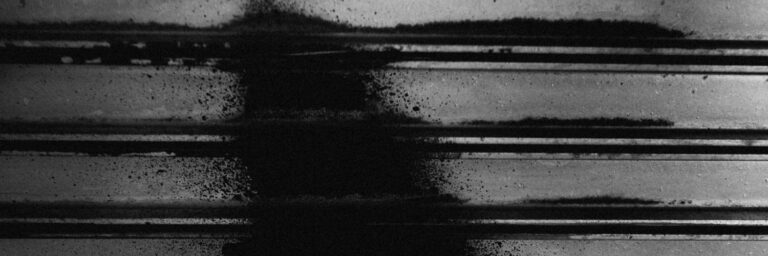
I have therefore attempted, inspired by the simplified form of the haiku and the mechanical honesty of Man Ray’s rayographs, to imagine an aesthetic that would stem solely from the photographic form itself. Read
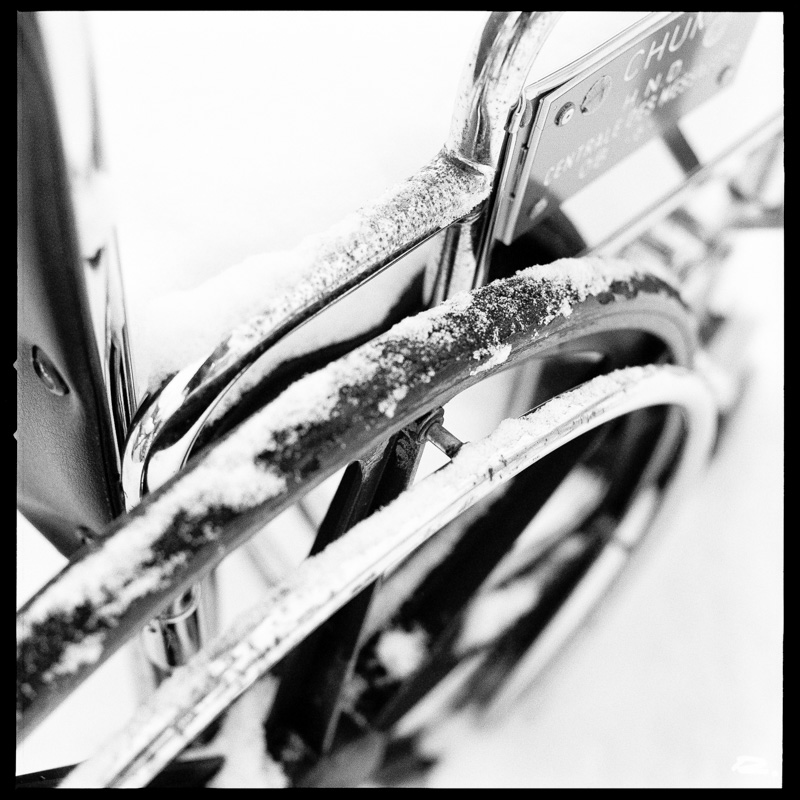

Abstraction and photography

Abstraction and photography
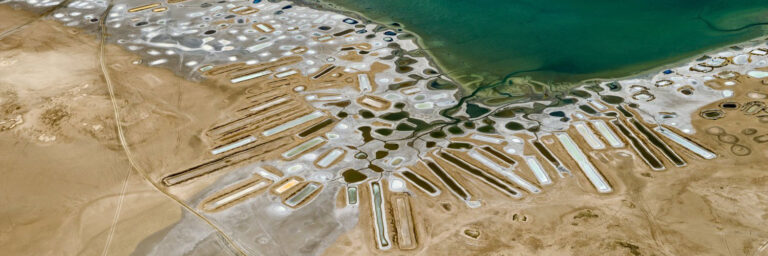
Salt Ponds #2a, Near Fatick, Senegal, 2019 (detail) — © 2019 Edward Burtynsky

Of course, the photographic image cannot, as painting does, aspire to pure abstraction. This is due to its very definition: it is a mechanism that allows the fixing of the image of a real object¹. An optical device, such as a lens or a pinhole, captures ambient light and projects it onto a photosensitive surface. This surface — whether it is a film negative or a digital sensor — reacts to varying degrees depending on the intensity of the received light; in this way, it can record the image momentarily projected by the lens.

Abstract painters did not seek to deny reality, but rather to advance painting by freeing it from the formal constraints of realism. They developed a vocabulary proper to the medium by reducing it to its essential elements: matter, form, and color. Painting no longer owed anything to the rest of the world: it had value in and of itself. This way of thinking underlies all modern art of the twentieth century. Read
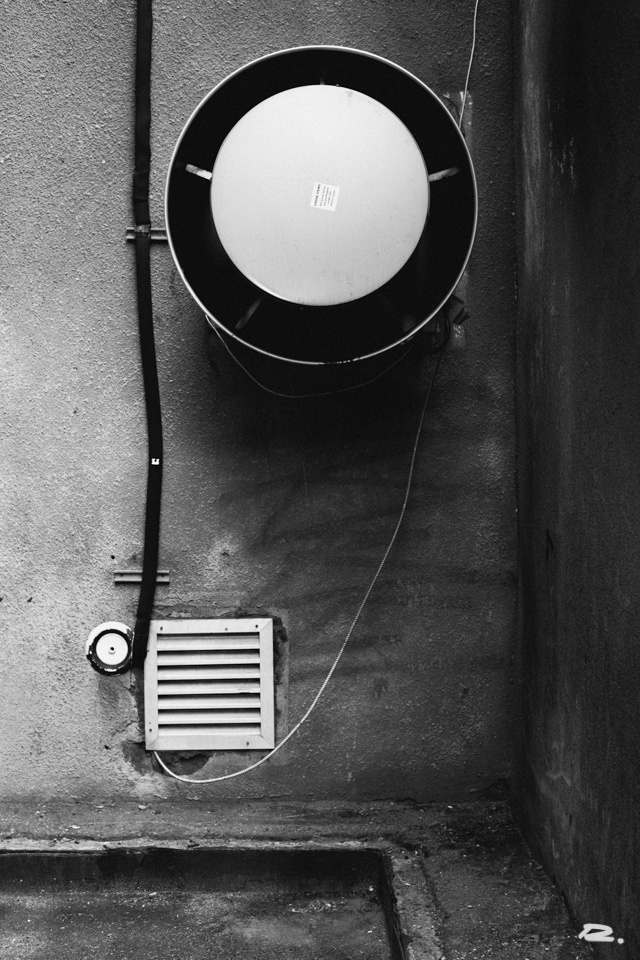

Walking with Daidō

“I think that the everyday has many slits in its landscape, of which over on the other side, there is another world.”
— Daidō Moriyama

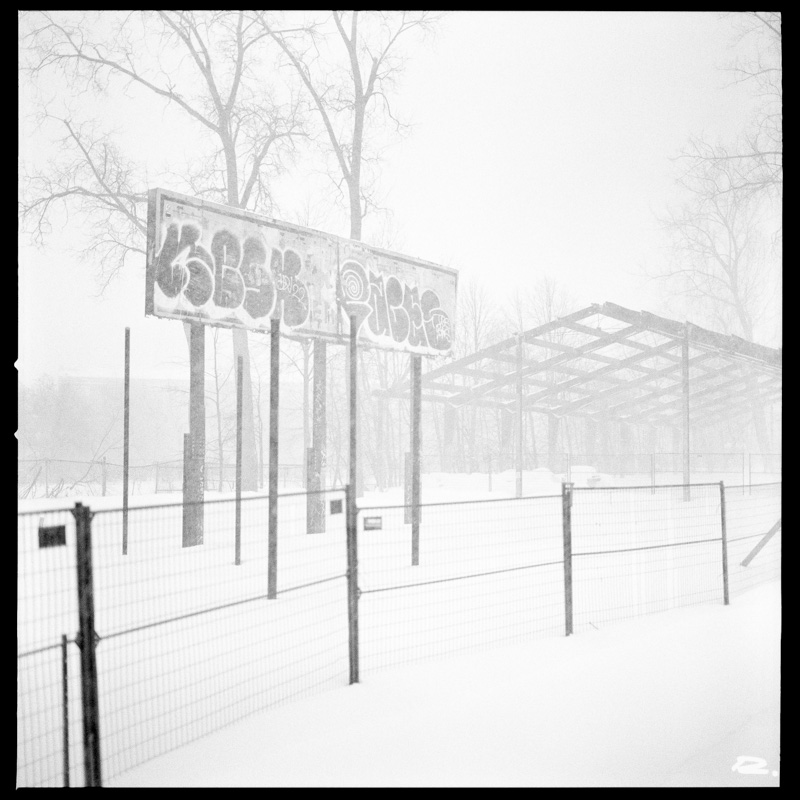
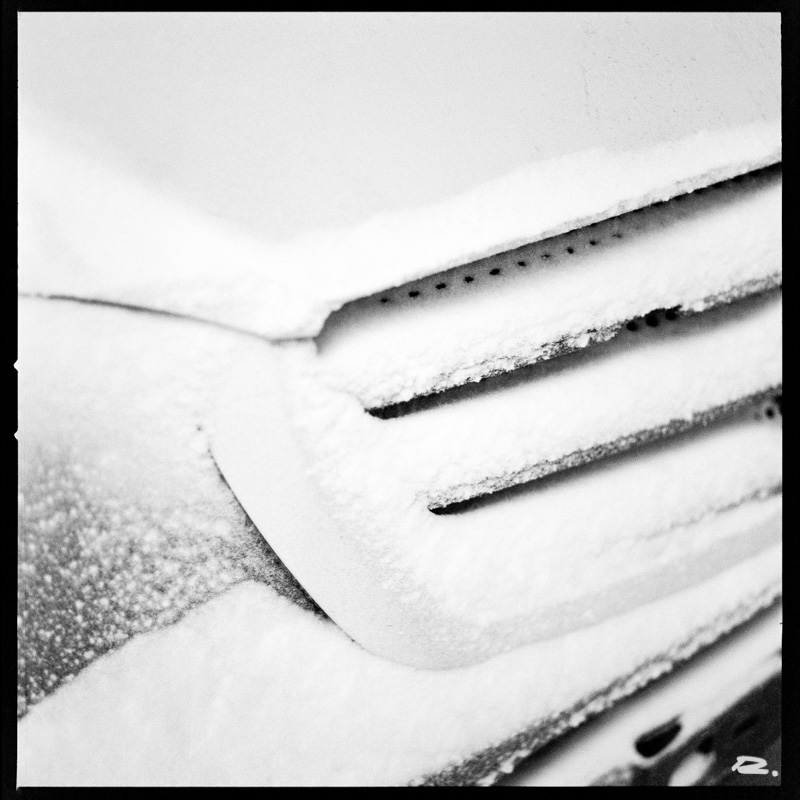
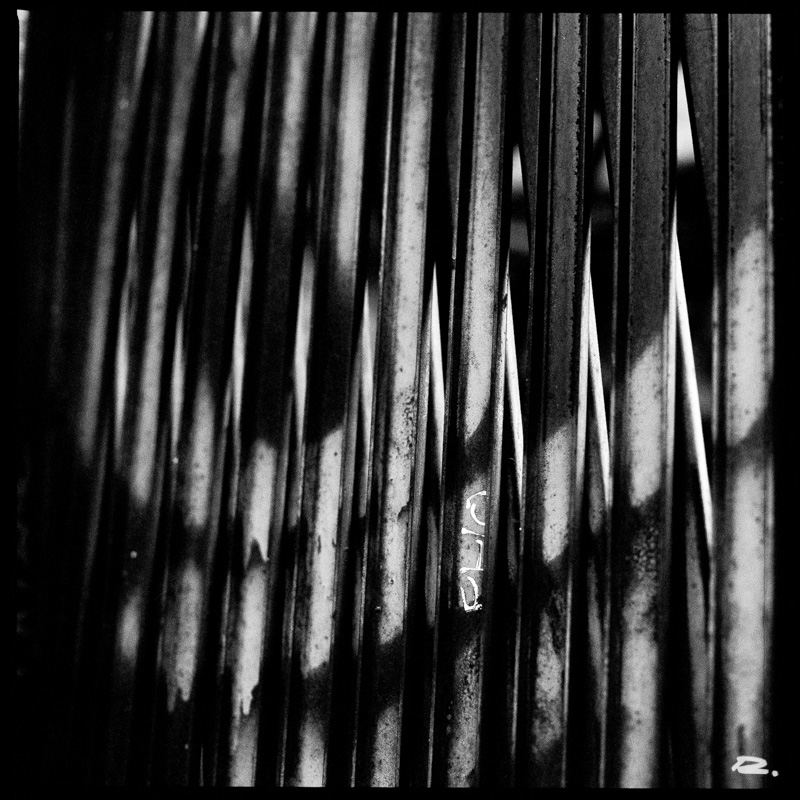
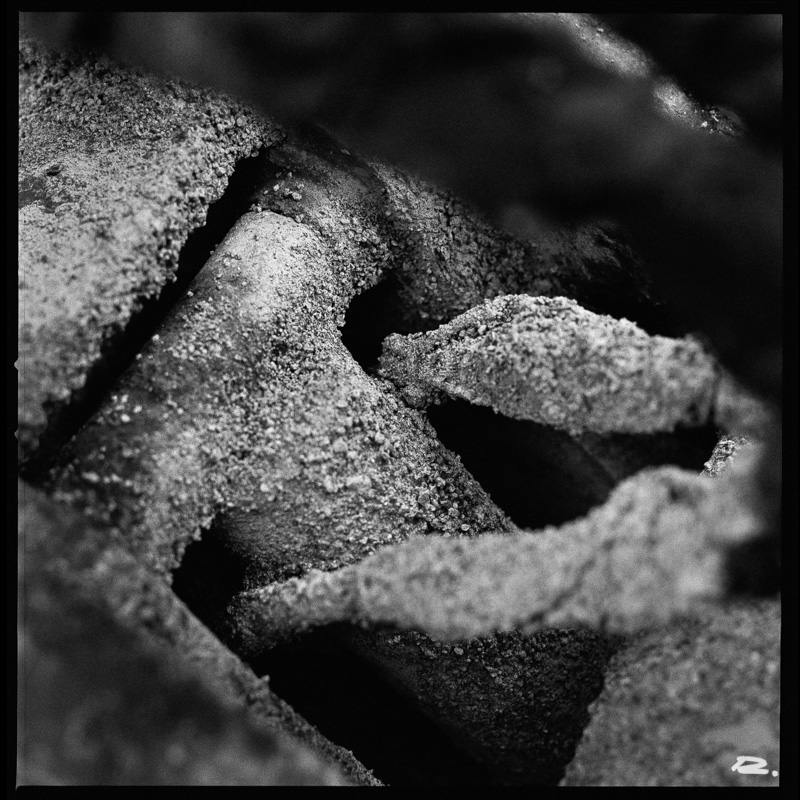
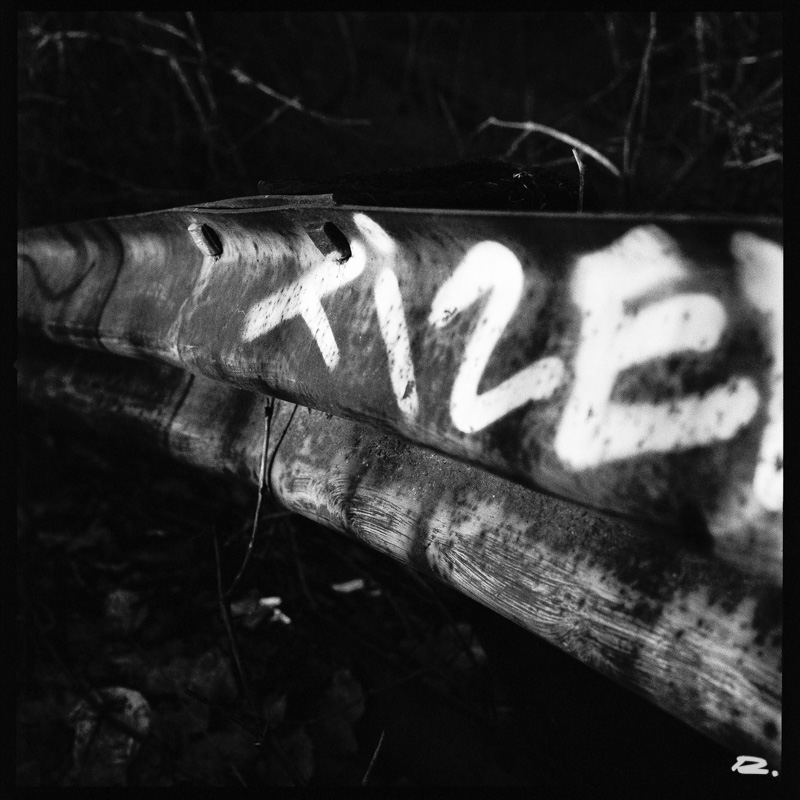
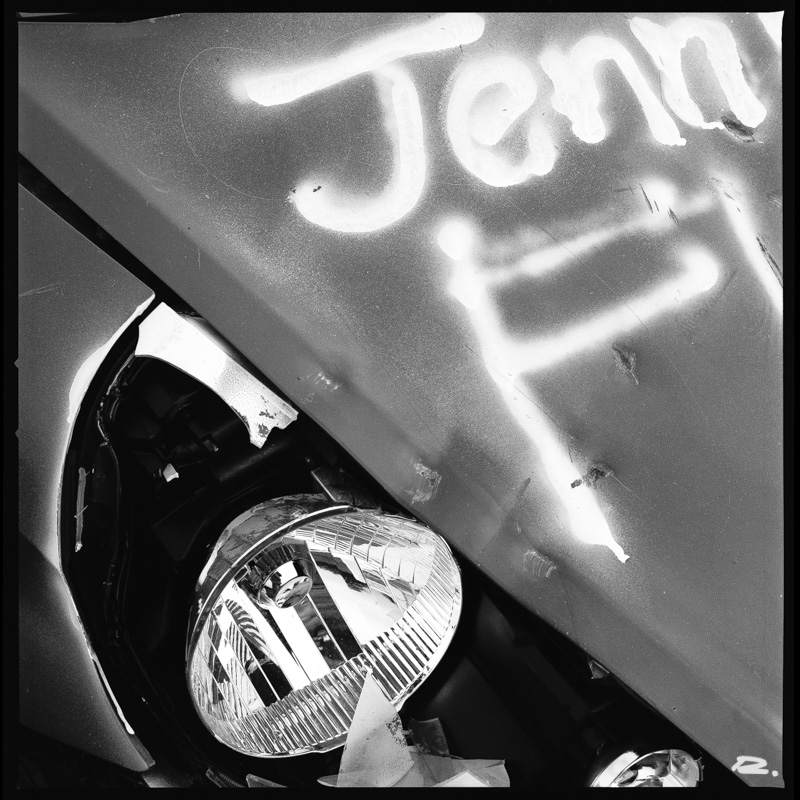
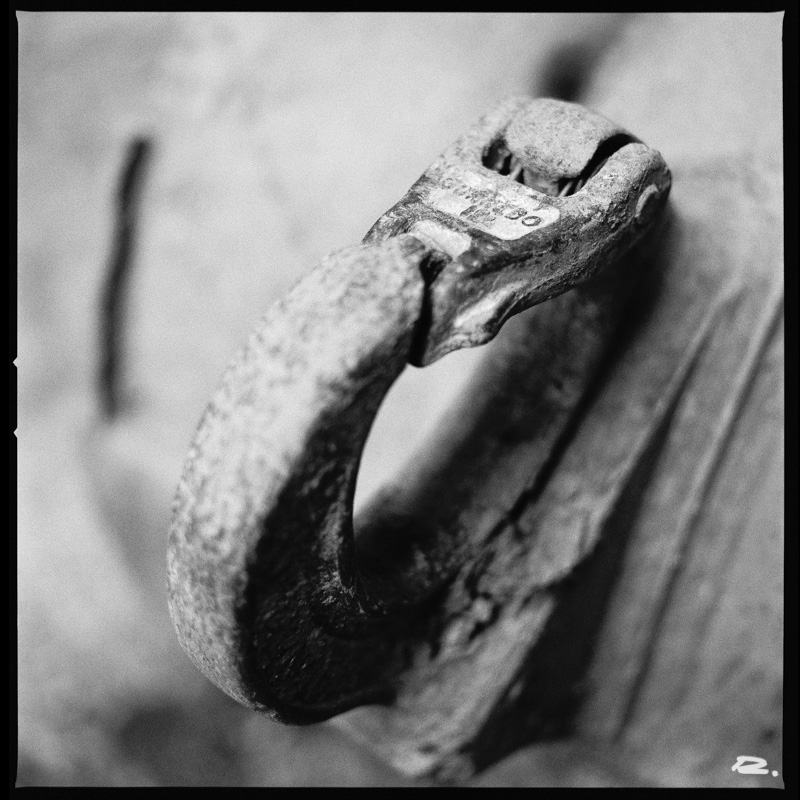
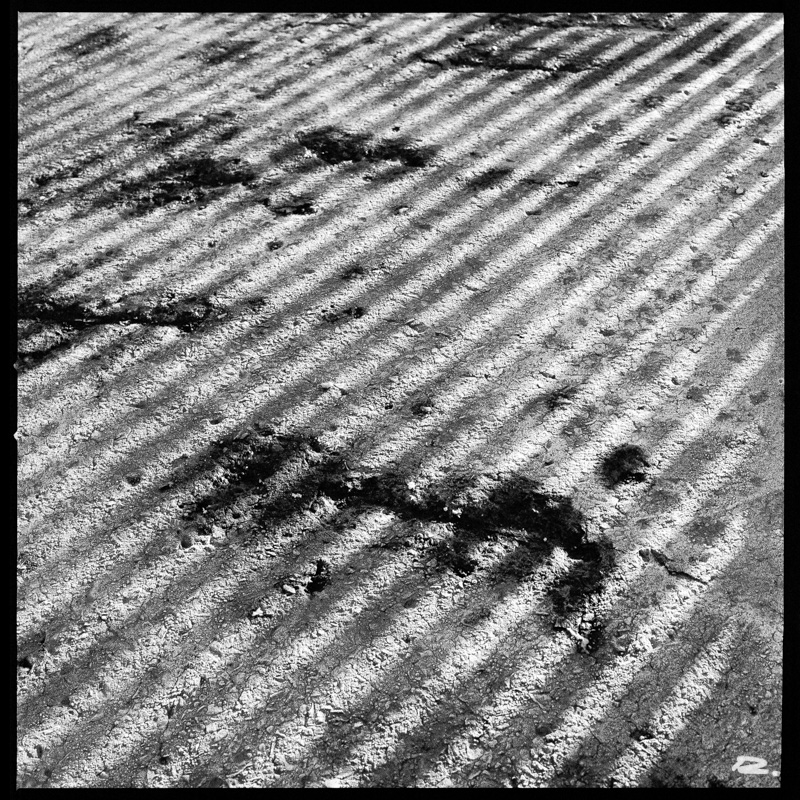
images © 2022-2023 Rico Michel

While reading “Memories of a dog”¹, I imagined myself as a japanese Kerouac, on the road with Daidō. We were trying to get lost in space-time, in search of this state where, deprived of our usual landmarks, we would come to confuse past, present, memory and imagination. Daidō was not nostalgic. He was not looking for a memorable image, but for the image of memory itself.
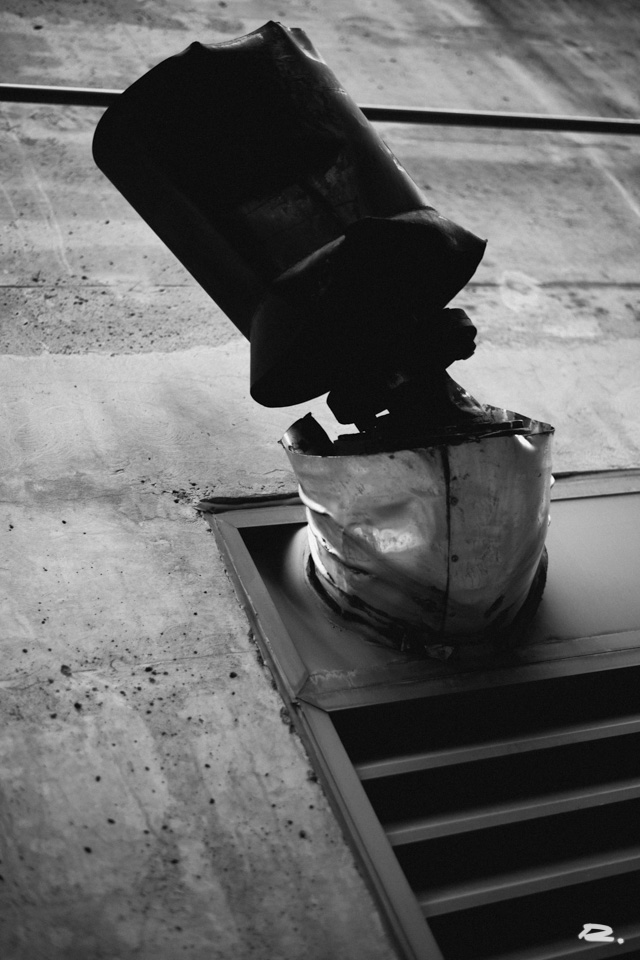
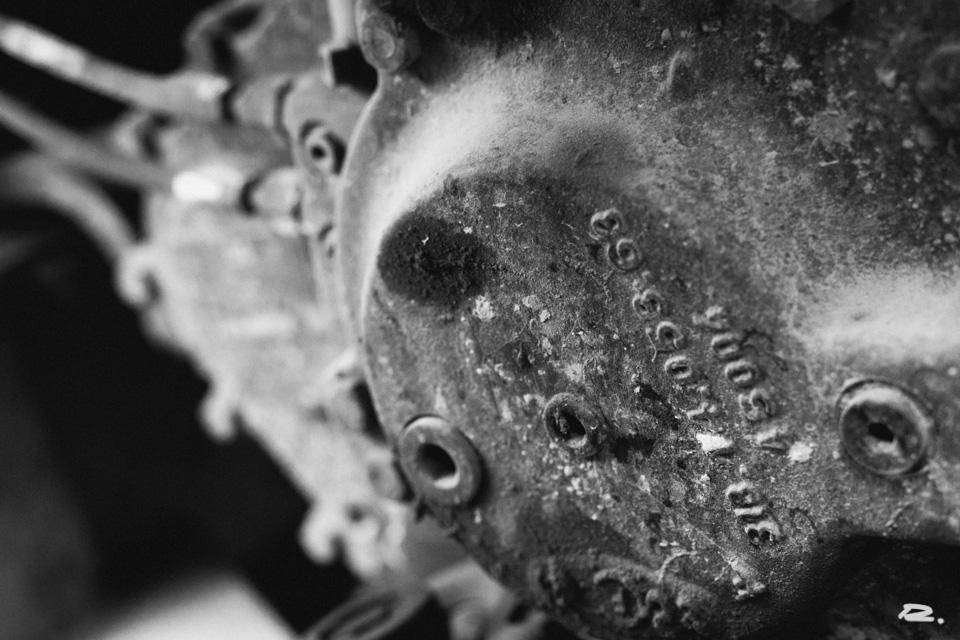
  1. Daidō Moriyama, “Memories of a dog”, Munich, Nazraeli Press, 2004, 192 p.
© 2026 Rico Michel – All rights reserved