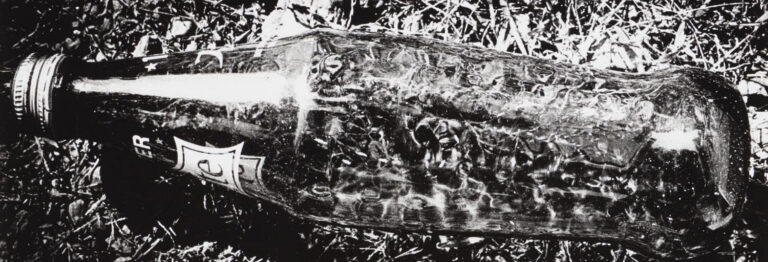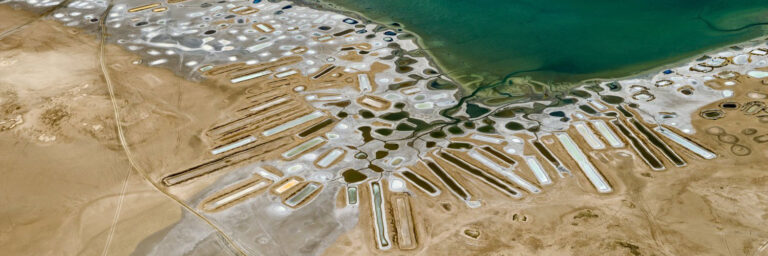
Of course, the photographic image cannot, as painting does, aspire to pure abstraction. This is due to its very definition: it is a mechanism that allows the fixing of the image of a real object¹. An optical device, such as a lens or a pinhole, captures ambient light and projects it onto a photosensitive surface. This surface — whether it is a film negative or a digital sensor — reacts to varying degrees depending on the intensity of the received light; in this way, it can record the image momentarily projected by the lens.
Abstract painters did not seek to deny reality, but rather to advance painting by freeing it from the formal constraints of realism. They developed a vocabulary proper to the medium by reducing it to its essential elements: matter, form, and color. Painting no longer owed anything to the rest of the world: it had value in and of itself. This way of thinking underlies all modern art of the twentieth century. Read